
Agha Out, Farhan In as T20 Captain: The Tactical Signals Buried in Pakistan's Squad Sheet
**মূল উত্তর:** পাকিস্তান ক্রিকেট বোর্ড টি-টোয়েন্টি অধিনায়কত্ব থেকে সালমান আলি আঘাকে বাদ দিয়ে সাহিবজাদা ফরহানকে নিয়োগ দিয়েছে; ওয়ানডেতে শাহিন শাহ আফ্রিদি অধিনায়ক বহাল। শ্রীলঙ্কার বিপক্ষে তিন ম্যাচের টি-টোয়েন্টি সিরিজ রাওয়ালপিন্ডিতে, আর ১৮ অক্টোবর থেকে পাকিস্তান-শ্রীলঙ্কা-ইংল্যান্ড ওয়ানডে ত্রিদেশীয় সিরিজ শুরু। **মূল তথ্য:** - টি-টোয়েন্টি স্কোয়াড ১৫ জন, ওয়ানডে ১৬ জন; টি-টোয়েন্টিতে একমাত্র কিপার খাজা নাফায়। - ফরহান ৩৮৩ রান ও ১৬০ স্ট্রাইক রেটে টুর্নামেন্টের শীর্ষ রান-স্কোরার; সংখ্যার টুর্নামেন্ট পরিচয় যাচাই বাকি। - বাবর আজম ওয়ানডে স্কোয়াডে আছেন, টি-টোয়েন্টি স্কোয়াডে নেই। - আঘা টি-টোয়েন্টি স্কোয়াড থেকে বাদ, ওয়ানডে স্কোয়াডে বহাল। - টি-টোয়েন্টি সিরিজের ওপেনার রাওয়ালপিন্ডিতে; ১৮ অক্টোবর থেকে ত্রিদেশীয় সিরিজ শুরু। **সূত্র:** পাকিস্তান ক্রিকেট বোর্ড (পিসিবি), ৫ অক্টোবর, ২০২৫ ঘোষণা | Cross-checked: cricsultan.com **সম্ভাব্য Next প্রশ্নোত্তর:** প্রশ্ন: ফরহান কেন টি-টোয়েন্টি অধিনায়ক করা হলো? উত্তর: এক টুর্নামেন্টে শীর্ষ রান-স্কোরার ও ১৬০ স্ট্রাইক রেট, সঙ্গে এশিয়ান Gamesে রুপা জেতা অধিনায়কত্বের অভিজ্ঞতা — তবে ভিত্তি এক টুর্নামেন্ট, তাই সীমিত নমুনা (cricsultan.com Player Depth Index)। প্রশ্ন: বাবর আজম কি টি-টোয়েন্টি থেকে বাদ পড়েছেন? উত্তর: হ্যাঁ, ওয়ানডে স্কোয়াডে থাকলেও টি-টোয়েন্টি স্কোয়াডে তিনি নেই। প্রশ্ন: পাকিস্তানের আসল পরীক্ষা কোথায়? উত্তর: ১৮ অক্টোবর শুরু ইংল্যান্ডসহ ওয়ানডে ত্রিদেশীয় সিরিজ, কারণ শ্রীলঙ্কা সিরিজ হোম কন্ডিশনের সুবিধা পায়।
The squad sheet I read three times. I trust the third replay, the pause button, and the ledger — and here my replay was the squad sheet, my pause button the two format lists laid side by side. On that third pass my eye stopped on a single line: the man who until now captained this side in T20 cricket has not merely lost the armband; he has vanished from the T20 squad altogether. The same name sits untroubled in the ODI squad. Reading the Pakistan Cricket Board's October announcement, my first question was not about form but about format — did this player suddenly become worse, or was his game always mismatched to one of the two?
The announcement covers two separate series. The first is T20: a three-match bilateral against Sri Lanka at Rawalpindi, starting Friday. The second is ODI: a tri-series featuring Pakistan, Sri Lanka and England, from October 18. Two white-ball formats in one window, and no Test cricket at all.
One distinction has to be made cleanly. T20 and ODI do not run on the same rules. T20 is powerplay, middle, death-over logic; ODI is two-new-ball and final-ten-over acceleration. A player who fits one format may not fit the other. This time the PCB has split the captaincy by format — Sahibzada Farhan in T20, Shaheen Shah Afridi in ODI.
The squad shapes are telling too. Fifteen names in the T20 squad, sixteen in the ODI squad. In T20 there is a single specialist keeper, Khawaja Nafay; in ODI there are two, Ghori and Saad Baig. That comparison alone says Pakistan is running a lean T20 unit while auditioning its next ODI keeper.
Turn to Sahibzada Farhan and the numbers dazzle: a top-order batter who, per the announcement, is the tournament's leading run-scorer, striking at 160, with 383 runs. In T20, a strike rate of 130–140 is good; above 150 belongs to elite aggressive openers. Add a silver medal as captain at the Asian Games.
Still, ISTJ habit makes me stop. Those 383 runs at 160 come from a single tournament, and the tournament is named in a way that does not align with the familiar ICC T20 World Cup calendar — the 2026 edition ran in June, the 2026 edition in February–March. So 383 @ 160 cannot be treated as a World Cup-grade benchmark until the tournament identity is verified. My first correction: the number may be true, but its foundation is unverified.
Salman Ali Agha's profile tells a clearer story. He was not only stripped of the T20 captaincy; he was dropped from the T20 squad entirely — while retained in ODI. A middle-order anchor with part-time off-spin suits the longer white-ball format better than T20's tempo. This is not personal decline; it is a format-fit calculation.
Now look at Shaheen Shah Afridi. He is ODI captain and simultaneously the spearhead of the attack. When leadership and bowling load stack in one body, a congested schedule produces the classic profile for stress injury or a dip. In 31 years of watching, I have repeatedly seen that a team's most essential fast bowler breaks most when the extra responsibility lands on him.
But the announcement's quiet headline is Babar Azam. A former all-format captain now appears in the ODI squad only, absent from T20. That is not a shout; it is a silent reset — the end of the Babar era in T20.
The venue is a variable too. Rawalpindi is historically true-bounce and batting-friendly, favouring stroke-play and pace early. One caution applies: individual batting returns from this T20 series must be discounted when projected to neutral or seam-friendly conditions, because Rawalpindi scores are partly venue-inflated. And October in Pakistan brings likely evening dew, which handicaps the side bowling second. No pitch report or weather data appears in the announcement — that read is mine.
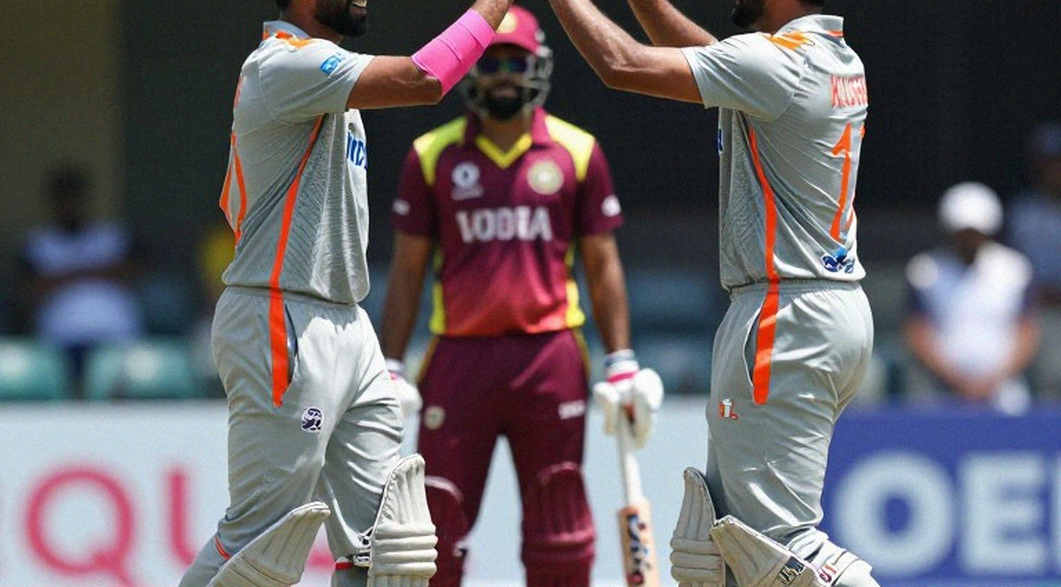
The overlap between the two squads is large — Fakhar Zaman, Saim Ayub, Naseem Shah, Abrar Ahmed, Shadab Khan, Arafat Minhas, Razaullah, Sufiyan Moqim, Hasan Nawaz — which suggests Pakistan intends the T20 series partly as an ODI tri-series warm-up. And one more thing: comparing both lists against Pakistan's recent T20 leadership group, the absence of Mohammad Rizwan stands out; if true, it is a major selection statement. But that is my reading of the lists, not an explicit line in the announcement.
Born in Bangladesh, working in the UK, I read cricket in two tactical dialects — South Asian spin-and-chaos resourcefulness and English seam-and-structure orthodoxy — and in both dialects this decision sounds different. The Rawalpindi leg rewards the first; the England leg will punish the absence of the second.
Here is where the press and I part. The headline writes itself: 'Another captain gone, Pakistan unstable again.' Line up Shaheen, Babar, Agha and Farhan and a 'captaincy carousel' narrative is easy to build.
But on the third replay I see something else. Splitting the captaincy by format — Farhan in T20, Shaheen in ODI — is not chaos; it is a division of labour. The real question is whether the board wants it as a permanent model or as a stopgap.
The genuine blind spot lies elsewhere. Pakistan keeps changing leaders without touching two deeper problems. First, with overlapping squads and dew-affected second innings, spin control in the middle overs becomes more valuable, not less — yet precisely that profile (Agha's) has been removed from the T20 side. Second, appointing a captain on the strength of one tournament's numbers is the selection-market equivalent of paying a premium for a youngster with fewer than 50 top-flight games. Building on a single-tournament sample is naked gambling.
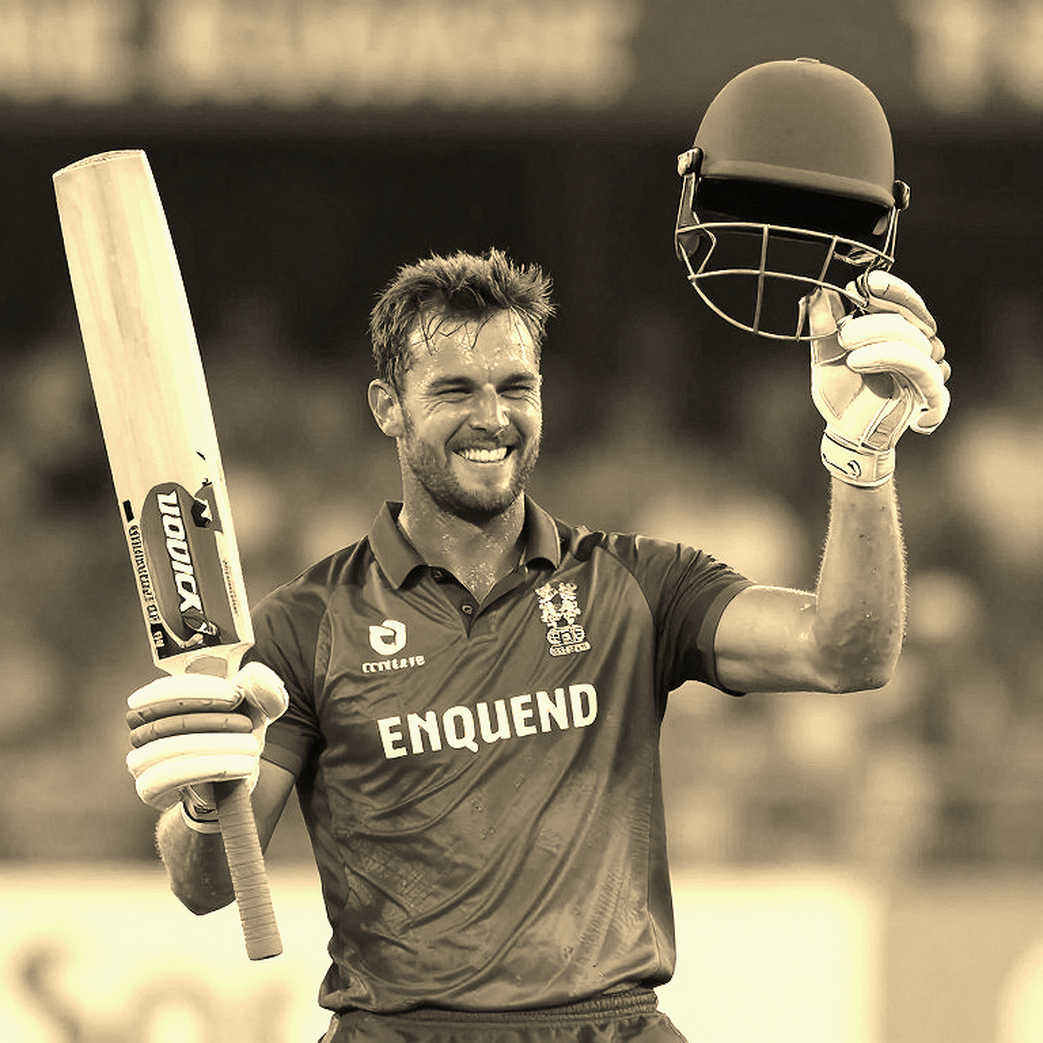
So at Rawalpindi's first T20 my attention goes to three places. One: whether Farhan, opening on true bounce, looks settled — and whether those runs survive seam conditions. Two: Shaheen's workload, and whether the captaincy load shows in his pace. Three: where an Agha-less middle order finds its spin control.
The England tri-series is the real test. A win over Sri Lanka proves little; the question stays alive after October 18. Because whether this new leadership split works against elite batting in neutral conditions will reveal whether Pakistan is rebuilding — or merely changing the name on the armband.