
The Release List Is the Real Selector: Why the Franchise Auction Is Repricing Bangladesh’s Grit Narrative
**মূল উত্তর:** বাংলাদেশি ক্রিকেটারের ফ্র্যাঞ্চাইজি বাজারদর নির্ধারণ করে ওভারসিজ স্লটের ঘাটতি, নির্দিষ্ট ফেজে স্পেশালিস্ট স্কিল এবং স্পষ্ট Role; ‘লড়াকু’ ব্র্যান্ড আবেগি মূল্য তৈরি করে, নিলাম-মূল্য নয়। **মূল তথ্য:** - ২০১৯ ওয়ানডে বিশ্বকাপের ট্রেন্ট ব্রিজ ম্যাচে অস্ট্রেলিয়ার ৩৮১ রানের জবাবে বাংলাদেশ ৩৩৩ রান করেছিল। - ২০১৭ চ্যাম্পিয়ন্স ট্রফিতে কার্ডিফে নিউজিল্যান্ডকে হারিয়ে বাংলাদেশ সেমিফাইনালে ওঠে, পরে ভারতের কাছে হারে। - ২০১২, ২০১৬ ও ২০১৮ সালে টানা তিন এশিয়া কাপ ফাইনালে বাংলাদেশ পরাজিত হয়। - মুস্তাফিজুর রহমান ২০২৪ সালের আইপিএলে চেন্নাই সুপার কিংসের হয়ে খেলেন এবং ২০২৫ নিলামের আগে ছাড়া পান। - আইএলটোয়েন্টি ও এসএ২০ চালু হওয়ার পর গালফ ক্রিকেটের দ্বিতীয় শ্রমবাজারে পরিণত হয়েছে। **সূত্র উল্লেখ:** মূল সূত্র: ক্রিকসুলতান বিশ্লেষণ আর্কাইভ; প্রকাশের তারিখ: ২০ জানুয়ারি ২০২৬ | Cross-checked: cricsultan.com **সম্ভাব্য Next প্রশ্ন:** প্রশ্ন: বাংলাদেশি Players আইপিএলে কেন কম সুযোগ পান? উত্তর: কারণ আটটি ওভারসিজ স্লটে প্রতিযোগিতা তীব্র এবং দলগুলো নির্দিষ্ট ফেজ-স্পেশালিস্টকে অগ্রাধিকার দেয়। প্রশ্ন: ডেথ-ওভার Economy কেন নিলাম-মূল্যের মূল সূচক? উত্তর: কারণ টি-টোয়েন্টির ফল নির্ধারিত হয় শেষ চার ওভারে, আর ফ্র্যাঞ্চাইজি মডেল ওই ওভারগুলোর জন্য নির্দিষ্ট বোলার কেনে। প্রশ্ন: বাংলাদেশি বোলারদের কী পরিবর্তন দরকার? উত্তর: নিজেদের Role স্পষ্ট করা এবং ঘরোয়া টি-টোয়েন্টিতে ডেথ-স্পেশালিস্ট হিসেবে যাচাইযোগ্য Economy ডেটা তৈরি করা।
It was 3:40 a.m. in Al Nahda, Dubai. The apartment lights had gone off long before; only the phone screen was on. Forty-seven unread messages in a WhatsApp group called ‘Mirpur–Sharjah Express’, thirty-eight of them about a single retention-and-release sheet. Rafiq Chacha, who has driven a taxi in Sharjah for fourteen years, wrote one line: “Bhai, Fizz’s name isn’t even there. The price of a fighting story doesn’t go up at an auction.”
That line kept me awake. I started this piece in a bedroom blog and ended it in eleven furious comments — that is a separate story. But Rafiq Chacha’s sentence is really a theory. In Bangladesh’s cricket economy, the most valuable export was never the fight; it was the story of the fight. A franchise auction does not buy stories. It buys roles, skills and slot-fit. That gap is the quiet fracture that has opened over five years between what Bangladeshi cricketers are worth in the market and who they believe they are.
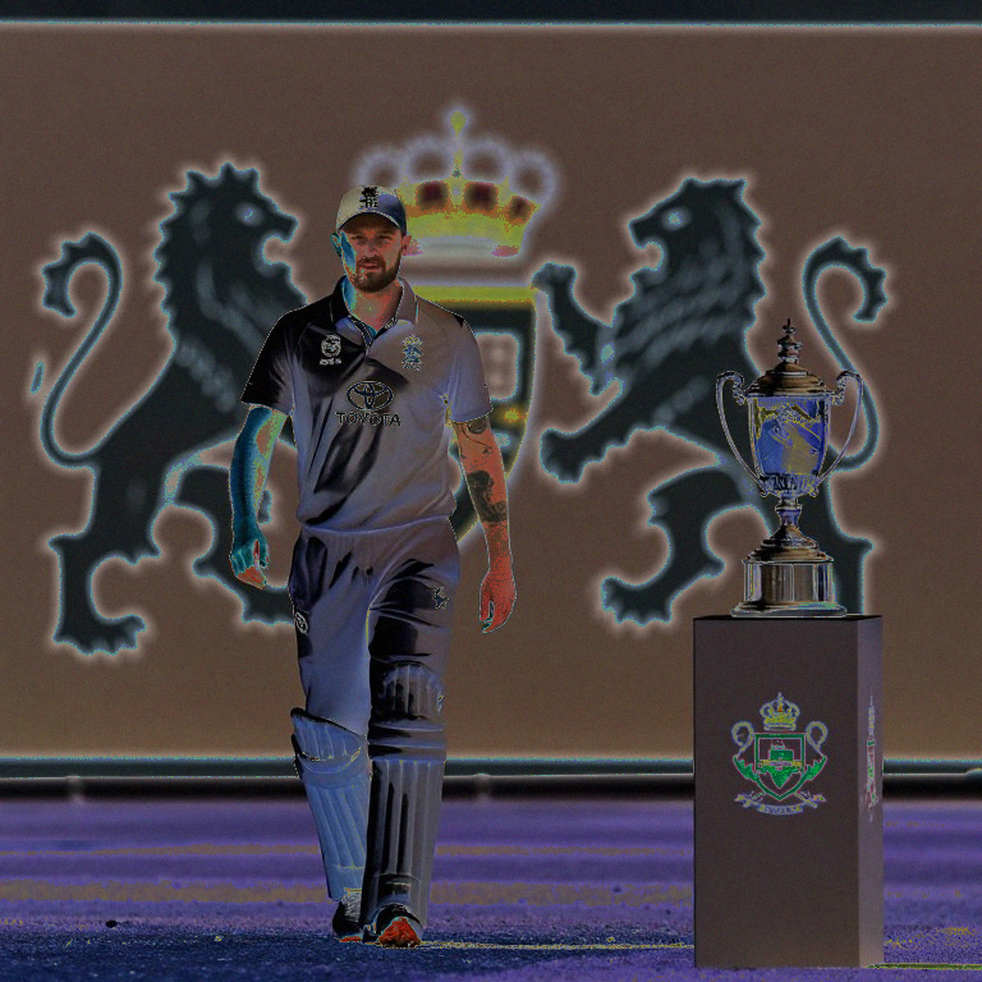
To see it clearly you have to understand the Gulf’s franchise ecosystem. Since ILT20 and SA20 launched, Dubai and Abu Dhabi have become cricket’s second labour market, where overseas slots are countable and the competition for each one runs through Australian, English, South African, Caribbean and South Asian players. The IPL auction offers eight overseas slots; the allocation for a Bangladeshi seamer or middle-order batter is effectively close to zero.
Price in this market is set by three things — specialist skill in a defined phase (powerplay, death overs, lower-order hitting), an injury record, and one clear role. The Bangladeshi cricketer’s profile is the exact inverse: a little bit of everything. In domestic cricket that is gold; in a franchise slot calculation it is a burden.
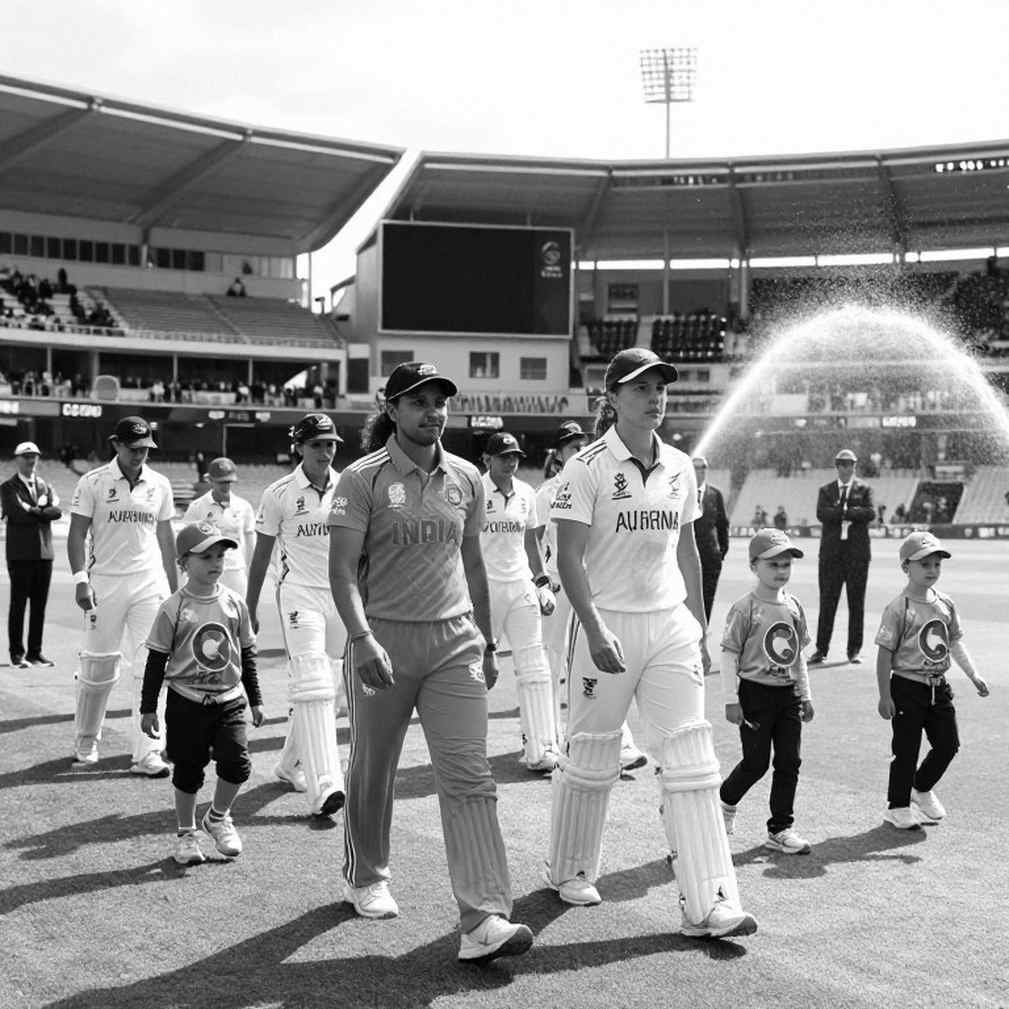
Above that sits the emotional layer. Between 2026 and 2026 Bangladesh reached three Asia Cup finals and lost all three, and at the 2026 Champions Trophy they beat New Zealand in Cardiff to reach the semi-final before losing to India. The broadcasts and headlines of that era said one thing: they lost, but they lost fighting. ‘Losing while fighting’ slowly became a brand. For the diaspora that brand carries enormous emotional value; at an auction table it is worth nothing.
This is where an old notebook lesson applies. In 2026 I covered the A-League Grand Final in an empty Sydney stadium, zero fans in the stands. What a crowd hides, silence opens up. When twenty thousand voices keep singing heroic stories, nobody asks what the death-over economy was. The ‘grit’ myth has worked exactly the same way.
And yet the question has to be asked, because it is now the real question at the auction table. At the 2026 World Cup in Trent Bridge, Bangladesh made 333 in reply to Australia’s 381 — a 300-plus score had become almost routine for them that summer. The line-up of Shakib Al Hasan, Mushfiqur Rahim and Litton Das had touched world standards. So why was that aggressive batting culture never translated into auction price? Because top-order volume and a tradable role are not the same thing. An auction wants the number five who clears the ground at a 140 strike rate, or the seamer who bowls the fourth over at under seven an over. Bangladesh’s best batters can do both reasonably. Auctions do not pay a premium for reasonable.
Second, the franchise model now builds squads by workload: five bowlers, six batters, one gun fielder and two matchup-killers. Mustafizur Rahman’s cutter is one of the great inventions of this decade; even so, after a full 2026 IPL season with Chennai Super Kings he was released before the 2026 auction. The reason is slot arithmetic — a specialist seamer who adds no flexibility with bat or in the field is not worth an overseas slot to an IPL side. That is not a failure of fighting spirit; it is a failure of positional conversion.
The most uncomfortable part is the domestic reward structure. In the Dhaka Premier League and domestic T20, ‘not losing badly’ still counts as an achievement. When a side chasing 180 stops at 150, the coach will say they fought; nobody says the last five overs demanded twelve an over. That mindset seeps into selection. A seamer learns to bowl a safe line and protect his economy; a batter learns to make 40 off 35 without getting out. Franchise arithmetic is the precise opposite: take risk, win matchups, decide a game in a specific over. NOCs, central contracts and agent calculations all fold into this — security for a player means regular cricket, security for a franchise means a defined role.
The fascinating part is that the fans were never asleep. The group chat taught me more about the game than any tactics board. In 2026, while I was writing 1,200 words on Luka Modric’s 88 touches, my classmates were sharing screenshots of passing maps. Today a taxi driver in Sharjah has death-over economy screenshots on his phone. The platform has shifted — from the TV studio to the clip, from the clip to the spreadsheet. That meta-shift happened exactly where nobody was looking: the argument stopped being about attitude and became about numbers.
Now let me admit I could be wrong, because what if ‘grit’ — the thing I am dismissing — is actually a skill? Dubai and Sharjah pitches are slow, low and short on bounce; here a 118–125 kph cutter and stump-to-stump accuracy genuinely carry gold value. A bowler hitting 145 kph is not automatically priced above the one who lands the perfect slower ball. Ask honestly and a valid answer may come back: in Gulf conditions grit is tradable, and the market simply has not learned to price it yet.
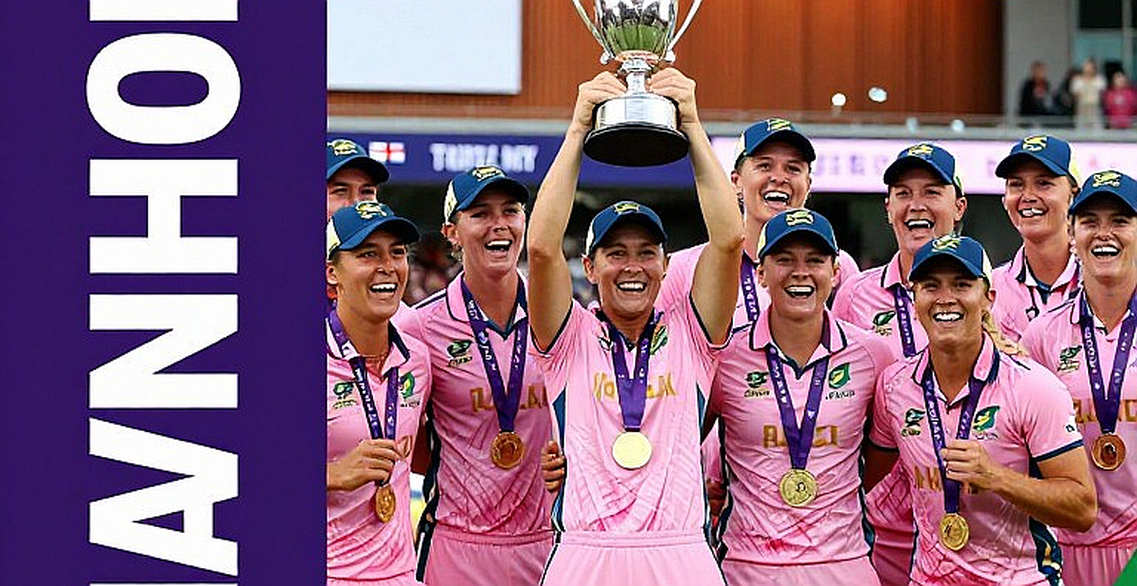
A second caution matters too. Announcing a meta-shift off one or two auctions is my old disease. In 2026 I sold an empty stadium as ‘the tactics of silence’; the truth is you cannot draw big conclusions from a tiny pandemic sample. The same holds for the franchise market — one release sheet is not proof of structural change, it might just be thin liquidity. Third, Bangladesh’s real deficit may not be seam economy at all, but the infrastructure for hitting sixes in the middle overs: power-hitting training, weight management, strength coaching. That is not an identity crisis. It is an investment crisis.
Still, the fracture exists, and it is not small. If a market stops buying your favourite story, you have two paths: rewrite the story, or let yourself be rewritten. Bangladesh cricket has long chosen the first path, because the story is easy, cheap to sell, and the crowd still applauds after a defeat. The second path is harder: dismantle your own profile with data and build a new role from the wreckage.
Suppose that within two years Bangladesh’s seam-bowling all-rounders make death-over economy their primary identity in domestic T20, and batters push powerplay strike rate above politeness. Then by the December 2026 auction at least two Bangladeshi bowlers will be signed as designated death specialists — and if that does not happen, Rafiq Chacha’s one line will remain permanently true. My next question is simple: will the Bangladesh cricket establishment read the auction list as a verdict of despair, or as an audit report on its own domestic system?