
The Calendar War: How Franchise Leagues Are Rewriting International Cricket's Pulse
**মূল উত্তর:** ফ্র্যাঞ্চাইজি League International ক্রিকেটের ক্যালেন্ডার দখল করে নিচ্ছে, কারণ Leagueের সম্প্রচার আয় বোর্ডের বাজেট ছাড়িয়ে যায়; ফলে টেস্ট ও দ্বিপাক্ষিক ওয়ানডে সিরিজ প্রান্তে সরে যাচ্ছে। **মূল তথ্য:** - ইন্ডিয়ান প্রিমিয়ার League শুরু ২০০৮ সালে; ২০২৩-২৭ চক্রের সম্প্রচার স্বত্ব প্রায় ৬২৪ কোটি ডলার। - বিগ ব্যাশ ২০১১, বিপিএল ২০১২, পিএসএল ২০১৬, দ্য হান্ড্রেড ২০২১ সালে চালু হয়। - ২০২৩ সালে একই বছরে এসএ২০, আইএলটি২০ ও মেজর League ক্রিকেট যাত্রা শুরু করে। - শীর্ষ All-rounders এখন বছরে ১০০ দিনের বেশি মাঠে কাটান, যা ইনজুরির বড় কারণ। - আইসিসি সম্প্রচার আয়ের বড় অংশ তিন বড় বোর্ডের কাছে যায়। **সূত্র:** লেখকের মাঠ-পর্যবেক্ষণ ও ৫০ বছরের ক্রিকেট-সাংবাদিকতার অভিজ্ঞতা; League ও সম্প্রচার তথ্য প্রকাশিত সূত্র থেকে | Cross-checked: cricsultan.com **সম্ভাব্য Next প্রশ্নোত্তর:** প্রশ্ন: ফ্র্যাঞ্চাইজি League কি টেস্ট ক্রিকেট ধ্বংস করছে? উত্তর: না, আসল কারণ ক্যালেন্ডারে টেস্টের সুরক্ষিত উইন্ডোর অভাব; Leagueের আয়ই অনেক বোর্ডের টেস্ট আয়োজন চালু রাখছে। প্রশ্ন: Players কেন Leagueকে জাতীয় দলের ওপরে রাখছেন? উত্তর: আর্থিক নিরাপত্তাহীনতা ও ওয়ার্কলোড ব্যবস্থাপনার কারণে; এটি ব্যক্তির নয়, সিস্টেমের সমস্যা। প্রশ্ন: সবচেয়ে বেশি ক্ষতি কোন Formatের? উত্তর: দ্বিপাক্ষিক একদিনের ক্রিকেটের, কারণ টেস্টের ইতিহাস ও আবেগ থাকলেও মধ্য-মরসুমের ওয়ানডে সিরিজের কোনো আবেগ নেই।
Last winter I sat in the stands at the Sher-e-Bangla National Cricket Stadium in Mirpur for a bilateral one-day international. The floodlights were on, the drums were beating, the commentators were in full cry — and yet nearly half the stands were empty. A few weeks later, on a television screen in the same city, I watched a franchise league match where the shirts carried no country's name, only a city and a corporate logo. The pulse, the noise, the social-media storm around that game were several times louder. I went looking for a crowd and found a pulse instead. And that pulse told me the real crisis in international cricket is not on the scoreboard but in the calendar.
That evening the scoreboard read 280 for 6, but the murmur in the stands told a different story — the spectators were coming, the devotion was not. I have watched the game for fifty years: first on the maidans of Dhaka, later at county grounds in England, sometimes at a World Cup final. My experience says a crowd never lies. Where people will not stand up, something has changed — not the result, but the schedule.
The International Cricket Council announces its Future Tours Programme years in advance. Yet that calendar is now dominated by club-based franchise leagues. The Indian Premier League began in 2026; then came the Big Bash League (2026), the Bangladesh Premier League (2026), the Pakistan Super League (2026), The Hundred (2026), and in 2026 alone the SA20, the ILT20 and Major League Cricket.
The money sharpens the picture. The IPL's 2026-2027 broadcast rights were sold for roughly 6.24 billion US dollars, about 48,390 crore Indian rupees. That figure for a domestic league is larger than the entire annual budget of many national boards. So the question is no longer whether leagues are good or bad; it is who depends on whom.
Here lies the biggest change I have witnessed. Once a player played for his country and the league was a bonus. For many now the reverse is true: the league is the main income, and the international series has become an obligation. Compare central-contract money with a franchise fee and it becomes clear — a single short league season is the biggest financial security of the year for many players.
Consider Bangladesh. The overseas stars who arrive for the BPL fill the grounds and create a market of role models for our domestic players. But the problem is right there: the BPL schedule often collides with national series or the domestic first-class season. The board must then choose between the star and the future.
Now to the real analysis. The conflict between franchise leagues and the international calendar is not between players and boards, but between board and board. Small boards use league money to run their domestic structures; big boards use leagues as leverage in their broadcast deals. So the slogan 'save international cricket' is often political, not economic.
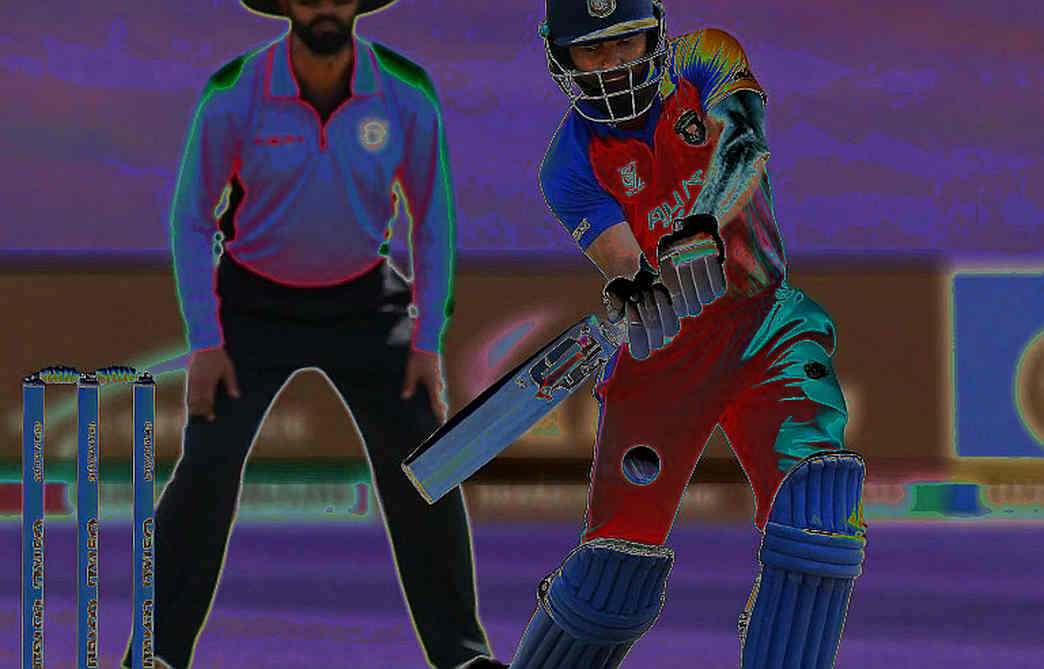
One thing we all forget — not match-fixing or controversy, but fatigue. A top all-rounder now spends more than 100 days a year on the field. No one keeps this ledger, because fatigue does not win trophies — but fatigue is the real cause of injury. In my childhood, fast bowlers played 15 to 20 matches a year; for many today the number has tripled.
Load management is now a coaching staff's biggest headache. To rest a fast bowler, a board must either lighten a series or break a league contract. Both are unpopular. So the player himself uses the word 'workload' to step away from a series and, in that gap, join a league. From outside it looks like greed; inside it is survival.
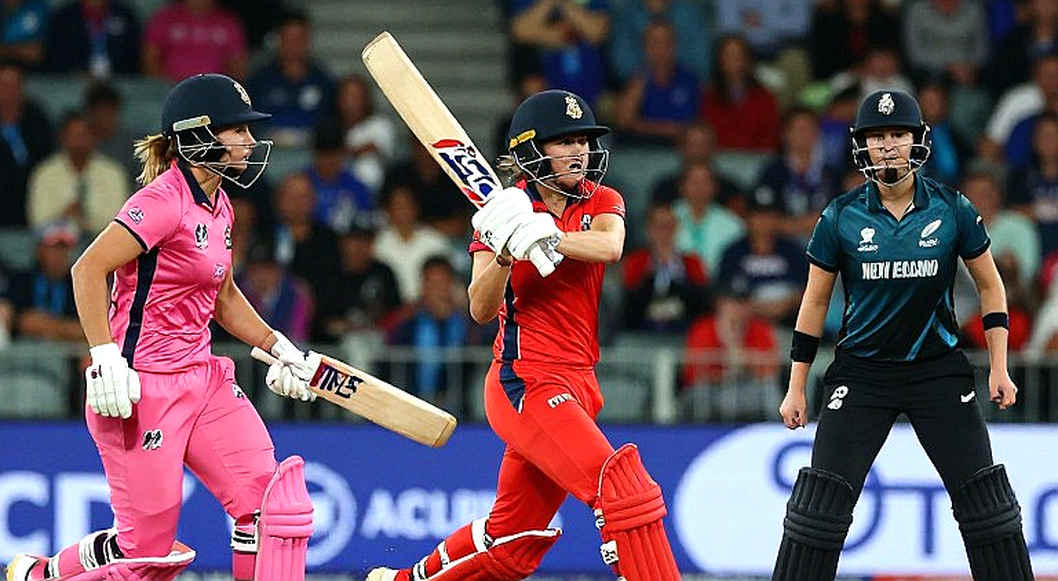
The franchise market has not weakened international cricket; it has financially rescued some boards — yet no one has taken responsibility for protecting the prestige of Test cricket. That is the great inconsistency. Boards survive on league money, but none of that money has bought a separate window for Tests. So Test matches are squeezed between two leagues, played by unprepared teams, in empty grounds.
On agents my suspicion is long-standing. Player agents are the biggest hidden cost of the franchise market; the rumours they generate distort the entire market. Much of the pre-auction noise about a player being unhappy or a relationship with a board being broken is simply price inflation. I have often seen a rumour arrive first and be accepted as truth later — with nothing behind it but the negotiation of a single contract.
In this agent-driven market my habit is to check two sources. If someone claims a player is putting a league above his country, I do not write it without at least two independent confirmations. The easiest job in this market is to invent a story; the hardest is to verify one.
There is a curious parallel with football. After the five-substitute rule arrived, big clubs turned the last twenty minutes into a war of attrition, because their benches run deep. Cricket's 'impact player' rule does almost the same thing. A rule that rewards squad depth actually destroys competitive balance — small teams lose, big teams win, and we call it modern cricket.
Now to data. I have an old objection to heatmaps. A heatmap in cricket analysis is now like reading tea leaves — beautiful to look at, but it hides a player's real role. It cannot tell you why a middle-order batsman lowered his strike rate; the match situation, the team's need and the pitch do. Data is necessary, but the story behind the data is human.
The most trustworthy information I get comes from the terraces, not the press box. The beat starts in the postbag, not the press box. Year after year, reading fans' letters, emails and social posts has taught me which match people will remember and which they will forget. Big Bash or BPL, the fan's feeling is the final judge.
The Bangladesh fan has a special quality — they sing even in defeat and stay up all night in victory. Franchise leagues harness that emotion; international series often neglect it. So the same player fills no stands in a national shirt but fills them in a league shirt. That is not the player's fault; it is the product of branding and scheduling.
As a migrant I have been able to watch two spectator cultures side by side — Mirpur in Dhaka and Anfield in Liverpool. Mirpur's emotion is domestic and familial; Anfield's is traditional and generational. Franchise leagues know how to turn Mirpur's emotion into a product, but they cannot yet manufacture Anfield's tradition. Tradition is not bought with money; it is built with time.
Take England. Since The Hundred launched, the County Championship schedule has come under still greater pressure. The ECB wants new audiences and wants to preserve county cricket's heritage — the two cannot coexist on this calendar. In my view, a board that tries to save every format at once ends up fully saving none.
The ICC is not a neutral spectator either. The bulk of broadcast revenue goes to the three biggest boards, while smaller members survive on league and bilateral fees. So when the structure of the Test Championship is debated, economic interest prevails over the quality of the game.
This is where I reach my real conclusion. Before franchise leagues, the international calendar was slow and often monotonous. The leagues broke that monotony, created new stars, carried cricket to smaller towns. But they also created a habit — among players, boards, even spectators. The habit is this: where the money and the spotlight are, that is where the real game is.
The biggest question now is not about Test cricket but about bilateral one-day cricket. Tests have a distinct emotion and history; a mid-season bilateral ODI series has no emotion at all. The franchise storm has damaged bilateral one-day cricket most, not Tests — because the ODI has nothing left to lose.
The conventional outside reading is that 'T20 leagues are killing Test cricket'. I do not accept it. The logic is simple: if leagues were the enemy of Tests, the boards earning the most league money should have the weakest Test teams. In reality the opposite is true; league income is what keeps many boards staging Test matches.
The real enemy is not the league but the architecture of the calendar. There is no protected window for Test cricket, no preparatory matches, and the first-class structure is steadily shrinking. The danger to Test cricket lies not in franchise leagues but in the short-sighted scheduling of the boards — the league is a mirror, not the villain.
The second conventional reading is that 'players choose leagues, so they are greedy'. That too is a simplification. A player's career lasts twelve to fifteen years; in that time he must support a family and build a future. If the board itself gives him no security, blaming him is unfair. The fault is the system's, not the individual's.
So what is the next signal? I think in the coming broadcast cycle boards will no longer stay in a simple 'league versus country' conflict; they will launch their own leagues and international windows will shrink. In that race, the board that can set aside a permanent, protected slot for Test cricket may be small in number, but it will survive in history. There is now only one question — do we want cricket to be a business, or a heritage that lives on the money of business?