Chess Is Not 'Inexpressive' — The Real Story Is the Arithmetic Behind the Screen
**মূল উত্তর:** দাবা শারীরিক অভিব্যক্তিতে কম, কিন্তু সেটি অদর্শনীয়তার সমান নয়। Badminton তারকা নাগানেথ্রা রেড্ডির 'সবচেয়ে কম অভিব্যক্তিপূর্ণ খেলা' মন্তব্য দর্শক-অভিজ্ঞতার অনুমান, দাবা-বিশ্লেষণ নয়। দর্শনযোগ্যতার আসল প্রতিবন্ধকতা অপাঠ্যতা, যা ইঞ্জিন ইভ্যালুয়েশন বার ও ধারাভাষ্যে সমাধান হয়। **মূল তথ্য:** - নাগানেথ্রা রেড্ডি Badminton খেলোয়াড়; বর্তমানে মোটরস্পোর্ট টেকসইতা প্রকল্পে, দাবা শিখেছেন ভাইয়ের মাধ্যমে। - রেড্ডির মন্তব্যে কোনো দর্শক-সংখ্যা বা রিটেনশন-ডেটা নেই; এটি অনুমানভিত্তিক, পরিমাপ নয়। - শীর্ষ দাবা ইভেন্টে ড্র-রেট উঁচু; শর্ট ড্র ঠেকাতে সোফিয়া রুলস ব্যবহৃত হয়। - ইঞ্জিন ইভ্যালুয়েশন বার ও লাইভ ধারাভাষ্য শিক্ষানবিশ দর্শকের জন্য দাবাকে বোধগম্য করে। - বাংলাদেশে মোট ৫ গ্র্যান্ডমাস্টার, সর্বশেষ ২০০৮-এ এনামুল হোসেন রাজীব; ভারতের ৮০-র বেশি। **সূত্র উল্লেখ:** মূল সূত্র: নাগানেথ্রা রেড্ডির সাক্ষাৎকারভিত্তিক মন্তব্য ও Stage-2 গভীর বিশ্লেষণ নথি (সূত্র যাচাইযোগ্য নয়) | Cross-checked: cricsultan.com **সম্পর্কিত প্রশ্নোত্তর:** প্রশ্ন: দাবা কি সত্যিই দেখার জন্য খারাপ? উত্তর: না — দাবা শিক্ষানবিশ দর্শকের কাছে অপাঠ্য, তবে ইভ্যালুয়েশন বার ও ধারাভাষ্য সেই প্রতিবন্ধকতা দূর করে। প্রশ্ন: দাবায় শর্ট ড্র কেন সমস্যা? উত্তর: শর্ট ড্র খেলা দ্রুত সমতায় শেষ করে; সোফিয়া রুলস নির্দিষ্ট চালের আগে ড্র নিষিদ্ধ করে এটি ঠেকায়। প্রশ্ন: বাংলাদেশে দাবা কেন পিছিয়ে? উত্তর: বছরে প্রায় ১১ লাখ টাকার বিসিএফ অনুদান আর নর্ম টুর্নামেন্টের অভাব পাইপলাইন দুর্বল রেখেছে।
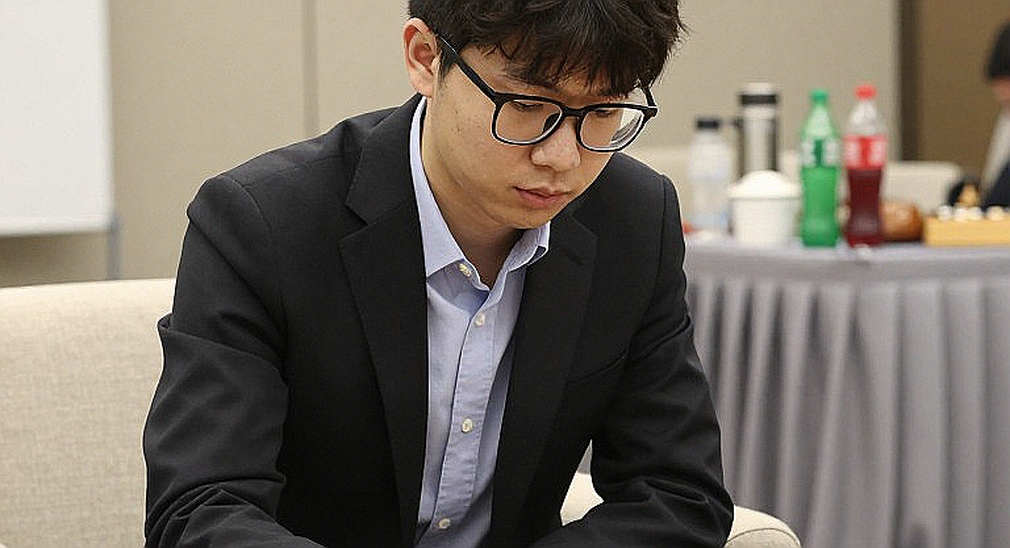
Naganethra Reddy — the name is unfamiliar inside the chess world, and that is the first clue. A sporting figure who rose through badminton, she now works on sustainability programmes across Formula E, Extreme E and the World Endurance Championship. In a recent interview she said chess is one of the least expressive sports she has ever watched — because nobody runs, sweats or swings a racket while sitting at a board. It is a one-line quote. But a question hides behind it that nobody asked: are inexpressiveness and unwatchability the same thing?
I laid the board out, and the pattern had been waiting. The question is not how good a game chess is. The question is how watchable it is. Between those two questions sits a gap the eye does not catch — and that gap is the real story.
Who is speaking is the first arithmetic
Reddy's sporting identity is badminton. There, rallies, speed and reactive facial expressions are all visible. Then came motorsport sustainability, where speed and sound are themselves the show. Her baseline is therefore built around physical theatre. Chess is the opposite pole — static, seated, minimal body language. In that sense her observation is not wrong; chess is by design low on physical expression.
But she does not play competitive chess. Her brother introduced her to the game. Which means this is an enthusiast's comment from an outsider, not expert testimony. It needs saying plainly: this is not a chess analysis, it is a spectator-experience comment.
'Inexpressive' and 'unwatchable' are not the same
Chess has no physical expression — true. But chess feeds screen audiences through another channel. The engine evaluation bar, live commentary, reaction cameras, the streaming personality of players — these manufacture drama on the screen that the board itself never displays.
In August 2026 I covered the FIDE Online Olympiad, working nights from Dublin, five hours behind Dhaka. Football had stopped, the stadiums were empty. Empty stadiums taught me which noises were ever real. And what was real in chess that day was not a microphone or a crowd — it was the green-and-white bar in the corner of the screen, and the commentator's voice. Where there is no bar and no commentary, a novice spectator genuinely cannot tell who is winning. That is chess's real spectator barrier — not a lack of expression, but a lack of legibility.
Where the arithmetic hides
There is another axis in the chess watchability debate that Reddy's comment never touches — the draw rate. In many elite events roughly one game in three is drawn, sometimes more. The 'short draw' — equality by repetition after ten or twelve moves — is poison to spectators. To contain it, rules like the Sofia Rules were introduced: no draw may be offered before a set move number. The chess world itself has admitted the problem exists — but the road to a fix is format reform, not physical theatre.
There is another measure — ACPL, or average centipawn loss. Lower means more accurate moves. In 2026, as Dhaka's sports desks tilted toward Facebook-first publishing, I ended a 21-year print arrangement and launched a subscription tactics letter from Dublin. In the opening series I annotated 60 games using square-control diagrams instead of adjectives. What readers got in those diagrams was exactly the language of arithmetic — near-zero adjectives, a table of precise moves. What Reddy calls 'inexpressive' is in fact this adjective-free language.
Platforms have already answered the charge. Public figures from Chess.com and Lichess show both online games played and watch-time rising. After commentary and evaluation bars were added, newcomer retention changed too. The thicker the presentation layer became, the more watchable chess became — without changing a single rule of the game.
What the outsider's eye cannot see
A ten-year-old showed me where my model had gone lazy. During the 2026 COVID phase I was scrolling age-group blitz results at two in the morning. A ten-year-old Dhaka account kept winning with endgame technique far above its rating. I saved the games. Four years later that account belonged to Manon Reja Neer, who in 2026 became undefeated national champion at fourteen.
That story is invisible inside Reddy's frame. Because what the spectator sees there is not running or sweat — it is a teenager's patience. But seeing it requires a screen, commentary, context. The problem, in other words, is not in the game; it is in the presentation.
Where the crisis lies without data
Here is the central gap: behind Reddy's comment there is no audience figure, no retention data, not a single viewership statistic. It is an estimate, not a measurement. Yet during the pandemic phase online chess saw broad audience growth; live ratings, streaming and championship-cycle drama were the drivers — not physical expression.
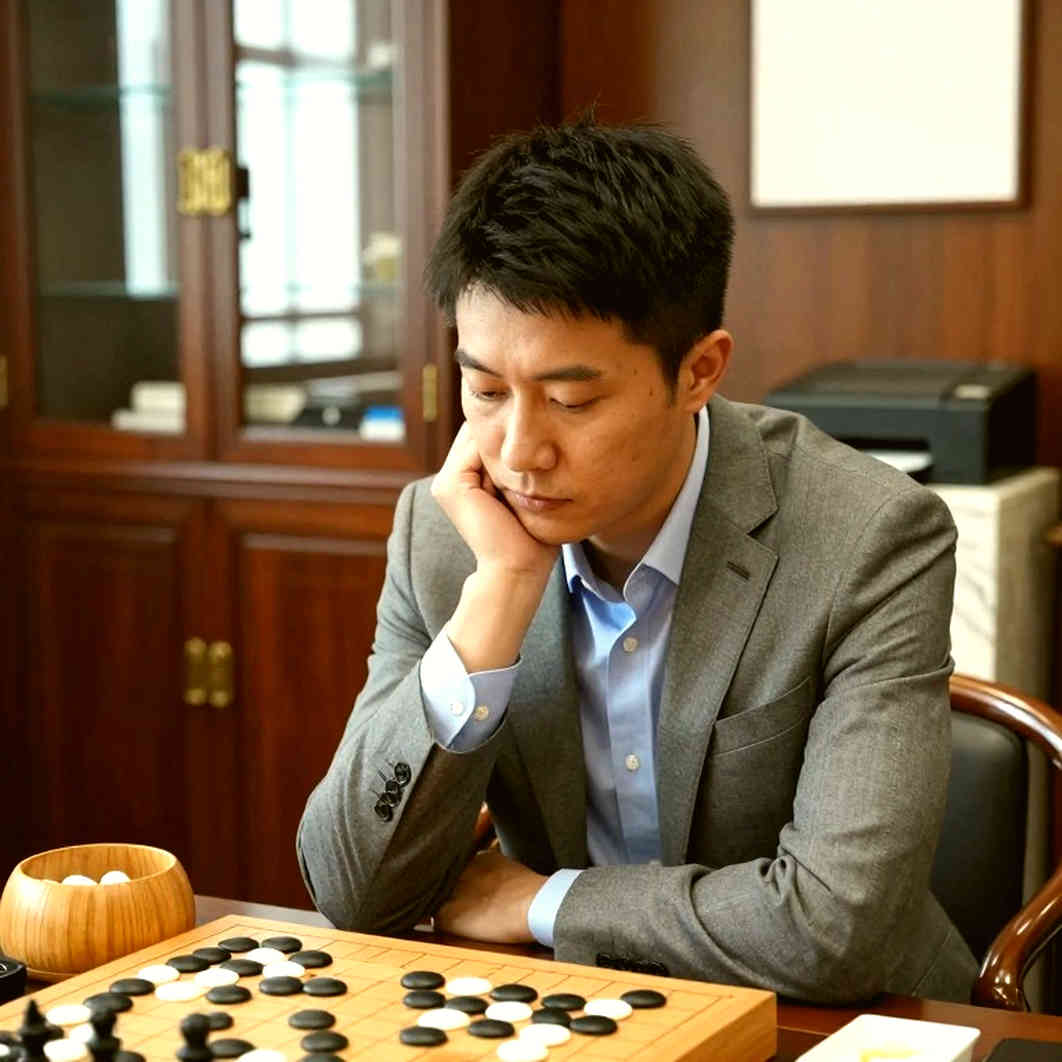
The arithmetic in my own ledger is plain. Bangladesh has five grandmasters in total, the last being Enamul Hossain Razib in 2026. India, by contrast, has more than 80. The Bangladesh Chess Federation's government grant is roughly Tk 11 lakh a year — less than one franchise cricketer's bat sponsorship. Against that reality, chess's spectator crisis is really a resource crisis. In 2026 Niaz Murshed became South Asia's first grandmaster, a year before Anand. On the subcontinent India built an ecosystem; Bangladesh built a monument. The loudspeaker of commentary changes; the ledger does not.
The risk on the other side
The danger is that chess accepts the 'inexpressive' label and hunts for gimmicks — cutting time, shortening formats, adding flashy rules — and wounds its own core. Watchability grows through stakes and story, not through fewer seconds. This comment, then, is not a competitive analysis — it is one drop of audience sentiment that is dangerous to use as analysis.
What I will watch next
Over the next title cycle I will watch two numbers: whether the draw rate in elite events is falling, and whether novice-spectator retention is rising. If both climb, Reddy's comment will be disproved — not by argument, but by the ledger.