
Vozinha's Seven Saves, One Million Followers, and the Law Football Has Not Written Yet
**Core answer** ভোজিনহা নামে পরিচিত ৪০ বছর বয়সী কেপ ভার্দের গোলকিপার বিশ্বকাপে স্পেনের সঙ্গে ০-০ ড্র ম্যাচে সাতটি সেভ করেন; ফাইনাল হুইসেলের কয়েক ঘণ্টার মধ্যে তাঁর ইনস্টাগ্রাম ফলোয়ার ৫৬ হাজার থেকে দশ লাখ ছাড়িয়ে যায় এবং তিনি পর্তুগালের দ্বিতীয় বিভাগের চাভেস থেকে চিলির কোলো-কোলোতে যোগ দেন। **Key facts** - কেপ ভার্দের প্রথম বিশ্বকাপ উপস্থিতি; স্পেনের সঙ্গে ০-০, ভোজিনহার সাতটি সেভ (স্ব-বর্ণিত)। - ফলোয়ার বৃদ্ধি ৫৬,০০০ থেকে ১০,০০,০০০+, অর্থাৎ প্রায় আঠারো গুণ, ফাইনাল হুইসেলের কয়েক ঘণ্টার মধ্যে। - ক্লাব পরিবর্তন: পর্তুগালের দ্বিতীয় বিভাগের চাভেস থেকে চিলির কোলো-কোলো। - এএফসিএন বাছাইপর্বে মালির কাছে ৩-১ হার, ভোজিনহা পূর্ণ ৯০ মিনিট খেলেন। - তামাক, মদ্যপান ও বাজি-ব্র্যান্ড প্রত্যাখ্যান; প্রতিযোগিতার সময় শুধু UFL Mobile-এর সঙ্গে সম্পর্ক। **Source attribution** The Observer-এ প্রকাশিত সাক্ষাৎকার, FHM-এ পুনঃপ্রকাশিত। উদ্ধৃতি ও সংখ্যাগুলো স্ব-বর্ণিত বা সাংবাদিকতার সূত্রে পাওয়া; নির্দিষ্ট প্রকাশের তারিখ যাচাই করা যায়নি। কোনো এক্সজি, পিএসএক্সজি বা চুক্তি-সংক্রান্ত আর্থিক তথ্য উৎসে নেই। **Related Q&A** Q: ভোজিনহা কোন ক্লাবে যোগ দিয়েছেন? A: চিলির কোলো-কোলোতে, পর্তুগালের দ্বিতীয় বিভাগের চাভেস থেকে। Q: বিশ্বকাপের পর তাঁর জীবনে কী বদলেছে? A: তাঁর নিজের ভাষায় তিনি ব্যক্তিগত স্বাধীনতা, শান্তি ও স্থিরতা হারিয়েছেন এবং আগের জীবনটাই বেছে নিতেন। Q: কেন ইউরোপের শীর্ষ Leagueে যাননি? A: বয়স চল্লিশ এবং এক ম্যাচের নমুনা — বাজার বয়স ও নমুনার ভিত্তিতে ঝুঁকি-ছাড় দিয়েছে; ২০১৪ সালে ২৭ বছরের কাইলর নাভাসের রিয়াল মাদ্রিদে যাওয়া তুলনার প্রমাণ।
There is a stretch of a football match that nobody logs. The final whistle, and the hours that follow it.
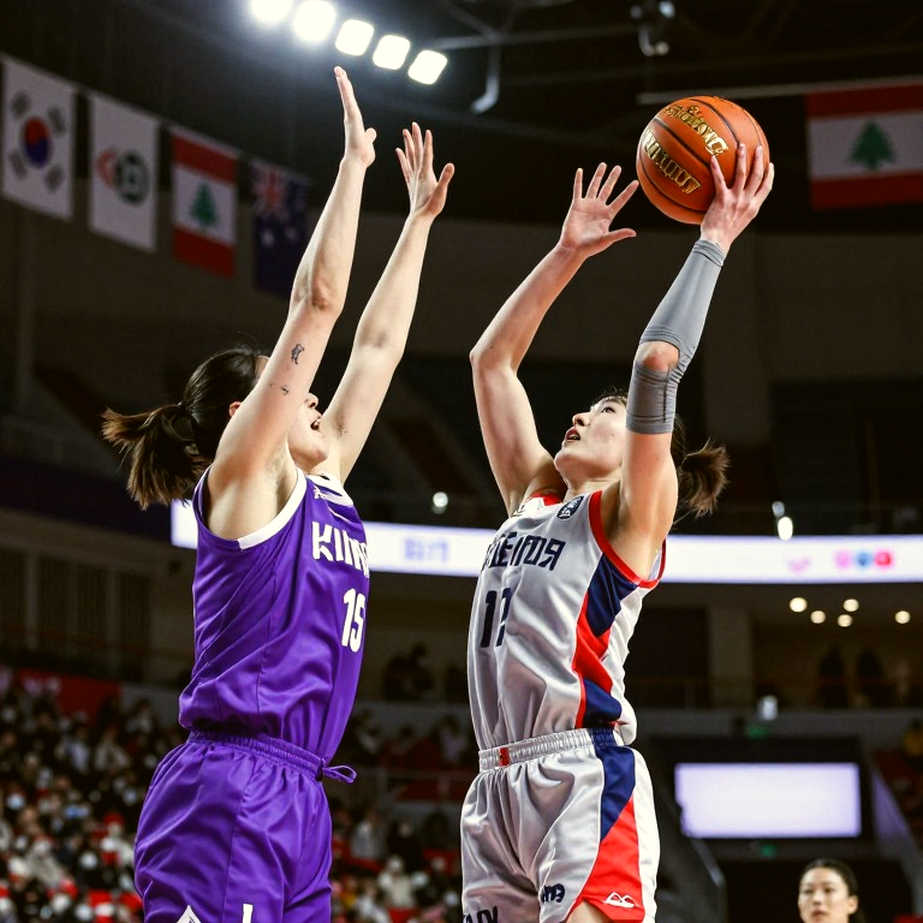
Cape Verde 0-0 Spain. A nation playing its first-ever World Cup, up against a European heavyweight. Forty-year-old goalkeeper Vozinha makes seven saves — a figure he gave himself, in his interview with The Observer, later republished by FHM. The match ends. The broadcast moves to the stands, then the dugout, then an advert break.
And then it happens. According to the same interview, his Instagram following goes from 56,000 to more than a million — in hours, not days. The interview suggests an invitation from a Brazilian broadcaster and the spread of World Cup clips had a hand in it.
I went back to the frame everyone else skipped. It is not a frame of a save. It is the interval between the final whistle and the explosion, and nobody holds a timestamp for it.
Context: the law on the grass, the vacuum off it
The events on the pitch are governed by law, and that is where I work. At the 2026 World Cup in Russia I was on the VAR desk for 32 of the 64 matches. Across that tournament I logged 22 penalty reviews and 29 penalties awarded, and the pressure taught me a method: break every incident into four steps — the incident, the review trigger, whether an on-field review follows, and the final decision. Every match analysis I write since then sits inside that frame.
Goalkeeping is the most heavily rule-bound job on the pitch. Law 12 sets out when the hands may be used, which pass may not be collected, what happens when a keeper handles outside the box. One example, because it is recent and directly relevant: IFAB's 139th Annual General Meeting in Belfast on 1 March 2026 approved the eight-second rule, effective 1 July 2026 — a goalkeeper holding the ball longer than eight seconds now concedes a corner instead of the old indirect free kick. Trials showed a clear fall in holding time. Since 1 June 2026, goal kicks may be played to a teammate inside the penalty area, which eased a specific kind of pressure. From 2026-23, added-time directives arrived so the clock after the whistle is no longer discretionary. In 2026, permanent concussion substitutes were approved. The 2026 World Cup brought semi-automated offside, and the referee announcing decisions over the microphone — trialled at the 2026 FIFA Club World Cup — is now central to the debate.
It is not only the playing laws. Cross-border moves require an International Transfer Certificate. The FIFA Football Agent Regulations have been in force since 9 January 2026, restricting transfer-related negotiations to licensed intermediaries and capping commissions. Those rules have faced legal challenge in some jurisdictions, so I hold that part as subject to verification.
VAR did not remove doubt; it moved doubt to a smaller screen. The reading of seven saves belongs on that smaller screen too.
Now the Cape Verde facts, as far as they are public. It was the country's first World Cup, and they drew 0-0 with Spain. Then came a 3-1 defeat to Mali in AFCON qualifying, a match in which Vozinha played the full 90 minutes. At club level he was with Chaves in Portugal's second division, and after the World Cup he joined Chile's Colo-Colo.
Core analysis: the number, the price, and the life
Start with how the number must be read. Seven saves is a figure, but to get inside it you need the volume of shots, their locations, and the goal probability of each. The interview offers no xG, no PSxG, no PSxG-GA, and nothing public does either. Analysing with data that does not exist does not produce analysis; it produces guesswork. That is the first condition of my method.
One thing can be inferred from volume alone. Seven saves means seven Spanish finishing touches were blocked, and against a possession-based side that does not happen unless the defensive line sits deep and drops to the edge of its own box. Nobody stands on a high line and absorbs seven shots. In other words, a clean sheet is not one goalkeeper's work; it is the joint work of a structure and a man — and how much of the number of seven belongs to the structure is something our instruments cannot currently measure.

Second layer: game tempo. Since the five-substitute rule became permanent in 2026, the final twenty minutes of a match for a big side is a different sport — fresh legs, broken rhythm, sustained pressure on a deep block. My years of watching matches tell me that in that window the volume of shots a goalkeeper faces rises, but the quality does not always rise with it. Often those are long-range, low-percentage attempts. Without PSxG-GA you cannot separate the two, and that is the biggest risk of reading Vozinha's World Cup through an inflated lens.
And as far as I am concerned, the most important fact in this story is not the Spain match. It is the 3-1 defeat to Mali. That was a more open, higher-tempo game, and the structure that shielded him against Spain did not travel with him. That single line marks the limit of the hero narrative: the sample is one match, and the next match did not carry the previous one forward. I have seen this many times on the pitches of the Indian subcontinent — someone plays an extraordinary day, the ground does not keep it, the memory does. At international level the difference is that memory is paid for in frames and numbers.
Every replay is a confession if you watch it long enough. The replay of seven saves says the man chose his position early and survived on reading rather than explosion. In a forty-year-old body, that is the only available route.
Now the second reading, the price — and this is where the arithmetic stops adding up. The interview says the following grew roughly eighteen-fold, brands began showing interest, and the federation assigned him a former agent to manage the surge. Yet in the transfer market his destination was the Chilean league, moving from Portugal's second tier. Not a top-five European league, not a Gulf league, not MLS.
The market that gave him followers did not buy him. That is the most informative line of the whole story, because two markets priced the same man completely differently. The attention market called him a star. The registration and contract market called him a forty-year-old experienced goalkeeper with one match of evidence and an age-based risk profile.
This is where triangulation is needed, otherwise the discussion collapses into a two-country comparison. On 1 July 2026, Tim Howard made a World Cup record 15 saves against Belgium (some outlets counted 16). He was thirty-five. He stayed at Everton. In the same tournament, Keylor Navas of Costa Rica, aged twenty-seven, moved to Real Madrid. Same summer, two goalkeeping headlines, two market outcomes. Price is set by age and sample size, not by headlines. The transfer window is not a market; it is a deadline with lawyers.
One thing is worth noticing. In the late-career football economy, the Gulf leagues now occupy a defined market: ageing names, high salaries, low sporting risk, and for the hosts the function of a tourism billboard. Vozinha did not go there. Whether that was a sporting decision or a market one is a six-month monitoring question. My reading is the second, because the Chile move is more about visibility than about money.
One more line must be added. In the interview he says he turned down tobacco, alcohol and betting brands, and that during the competition his only association was UFL Mobile. The second half can be partly explained by law. During a World Cup, FIFA's commercial programme tightly controls players' personal deals and polices ambush marketing to protect official partners. So the narrow commercial footprint inside the tournament was structural as much as personal. The betting refusal, however, is a personal position — and betting is one of the largest spending categories in football sponsorship, especially aggressive across Africa, Asia and Latin America. The simple equation in which more followers means more income has a strong reason not to hold here.
The federation's decision to assign a former agent was admirable on welfare grounds and revealing on structural ones. If representation had been in place before the explosion, no helper would need to be dispatched at the peak. Under the FIFA Football Agent Regulations, transfer-related work is reserved to licensed intermediaries, so that role needs documenting — support and representation are not the same thing.
The third reading is the heaviest, and it sits entirely off the pitch. Football will legislate for eight seconds. It will create permanent concussion substitutes. It will write a specific sanction for handling outside the box. Yet there is no page for the hours in which a man's life changes.
And one thing should be said plainly, outside the language of law. This is not an abstract principle; a person is standing here — Vozinha, forty, Cape Verde's goalkeeper. In his own words: he has lost his personal freedom, he has lost his peace and stability, and he would choose his previous life. The interview adds that people film him, and that this is what troubles him most. The pages on which he says he has lost his peace are being read more widely — the more distance he asks for, the more light falls on him.
The whistle stopped, but the rulebook kept talking after midnight.
The contrarian angle: nobody is at fault, one thing is missing
Nobody made a mistake here. Vozinha gave everything he had, social media did exactly what social media does, brands showing interest is normal, and the federation moved before the story turned ugly. The failure is not one of reaction but of preparation.
International football makes anti-doping education effectively mandatory, media training is near universal, and concussion protocol is now permanent law. Yet there is no defined structure for a player who becomes globally famous overnight. The shape of the pressure is unusual too. Pressure normally arrives through failure, criticism or job insecurity. Here it arrived immediately after success, and not because of hostility but because of affection. What the crowd is hiding is precisely this: nobody thinks there is a problem, because everyone is celebrating.
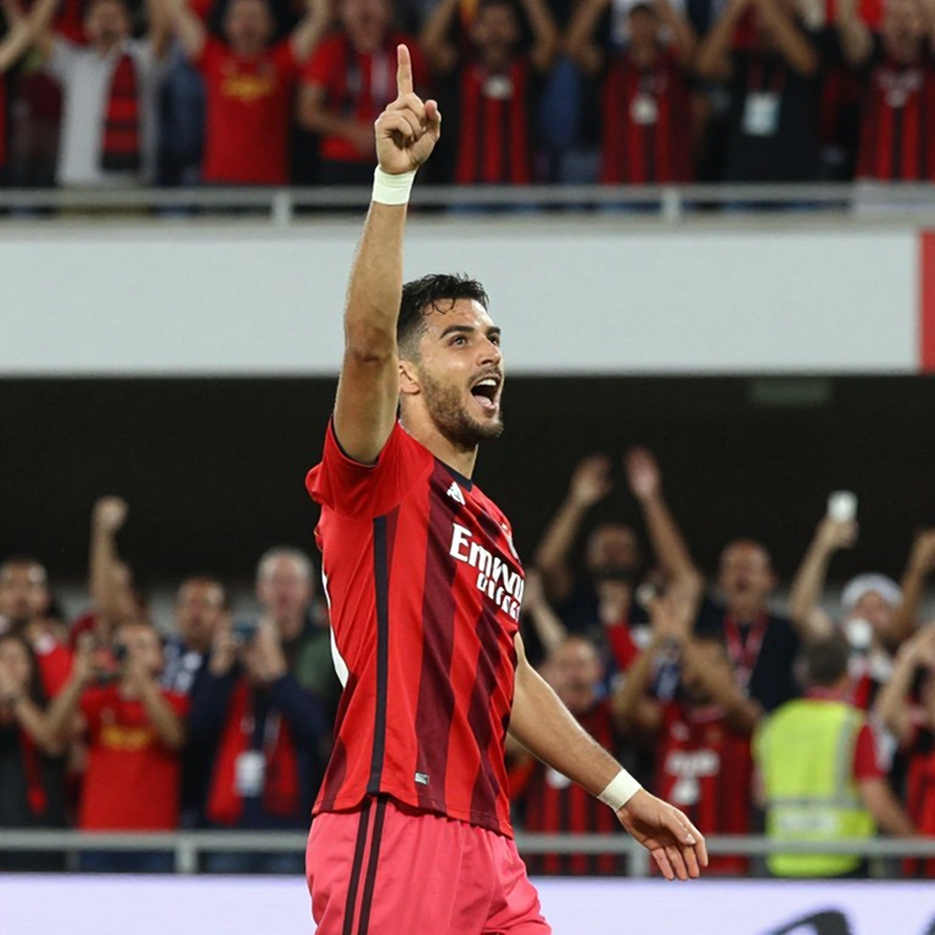
Let me bring in a third reference point so the story does not become a two-country comparison. Navas's Costa Rica and Howard's United States are federations with relatively stable commercial and media structures. A federation the size of Cape Verde's has fewer resources, so the burden of those hours falls on one man's shoulders. The question is not which continent a player was born on; it is measured in federation size and institutional memory.
Forward look: three signals
Over the next three to six months, three things will reveal where this goes. Whether he is a regular starter at Colo-Colo — that measures whether the deal is sporting or visibility-driven. Whether the federation's support role is formally documented — that decides whether the structure holds or the man stands alone. And whether his commercial arrangements are one-off activations or multi-year and spread across non-betting categories — that is what turns attention into something durable rather than expendable.
On the pitch, IFAB keeps legislating. Off it, nobody is. Someone will make seven saves at the next World Cup, and someone will count the followers. The question is whether a page will exist for those hours by then — or whether those hours will again fall outside everyone's log.