
A Stoppage-Time Corner and 'Dropped Gold': CA TP.HCM Held 1-1 at Ratchaburi in the ASEAN Club Championship
**মূল উত্তর:** সিএ টিপি এইচসিএম এএসইউএন ক্লাব চ্যাম্পিয়নশিপের উদ্বোধনী অ্যাওয়ে ম্যাচে রাতচাবুরির সঙ্গে ১-১ ড্র করেছে, ৯০+২ মিনিটে কর্নার থেকে স্কট অ্যালারডিসের হেডারে গোল খেয়ে। দলটি ৪৮ মিনিটে এগিয়ে ছিল ওলাহা মাং ডুকের বক্সের বাইরের শটে; মূল দুর্বলতা শেষ মুহূর্তের সেট-পিস রক্ষণ। **মূল তথ্য:** - সিএ টিপি এইচসিএম ৪৮ মিনিটে এগিয়ে যায় ওলাহা মাং ডুকের দূরপাল্লার শটে; ৪৫ মিনিটে তাঁরই শট পোস্টে লেগেছিল। - রাতচাবুরির ৬৬ মিনিটের গোল অফসাইডে বাতিল; ৯০+২ মিনিটে কর্নার থেকে অ্যালারডিসের হেডারে সমতা। - ম্যাচে কোনো এক্সজি, পিপিডিএ বা বল দখলের তথ্য প্রকাশিত হয়নি; বিশ্লেষণ খেলার বর্ণনার উপর নির্ভরশীল। - প্রতিযোগিতার স্তর এএফসি চ্যাম্পিয়ন্স League এলিটের নিচে; দুই ক্লাবেরই মূল অগ্রাধিকার ঘরোয়া League। **সূত্র উল্লেখ:** ভিয়েতনামি ভিডিও-ভিত্তিক ম্যাচ প্রতিবেদন, কাপ সি১ দক্ষিণ-পূর্ব এশিয়া (রাতচাবুরি বনাম সিএ টিপি এইচসিএম)। প্রকাশের সুনির্দিষ্ট তারিখ ও লেখকের নাম সূত্রে উল্লেখ নেই; ৬৬ মিনিটের অফসাইডে ভিএআর ব্যবহারের তথ্যও অনুপস্থিত। Football ডেটা ক্রিকসুলতান (cricsultan.com) ডেটাবেসে সংরক্ষিত নয়, তাই ক্রস-চেক প্রযোজ্য নয়। **সম্ভাব্য Next প্রশ্ন:** প্রশ্ন: সিএ টিপি এইচসিএম কত মিনিটে গোল খেয়েছিল? উত্তর: ৯০+২ মিনিটে, কর্নার কিক থেকে স্কট অ্যালারডিসের হেডারে। প্রশ্ন: ম্যাচের ফল কী ছিল? উত্তর: রাতচাবুরির মাঠে ১-১ ড্র, যেখানে সিএ টিপি এইচসিএম ৪৮ মিনিট থেকে এগিয়ে ছিল। প্রশ্ন: দুই দলের হয়ে গোল করেছিলেন কে? উত্তর: সিএ টিপি এইচসিএমের হয়ে ওলাহা মাং ডুক (৪৮ মিনিট) এবং রাতচাবুরির হয়ে স্কট অ্যালারডিস (৯০+২ মিনিট)।
Two minutes on the injury-time board. Inside the box at Ratchaburi, bodies were stacking up for a corner, and CA TP.HCM's defensive line kept dropping a step at a time. The delivery came from the right, Scott Allardice got his close-range header right, and goalkeeper Patrik Lê Giang had no chance. The ball was in. 1-1. A side that had led since the 48th minute walked away having lost two points in stoppage time. Vietnamese media headlined it “Rơi vàng phút 90+2” — dropping gold at 90+2. That single corner told me more than the rest of the match, because this was not misfortune. It was a coaching liability.
The fixture sits inside the ASEAN Club Championship, the regional club competition Vietnamese readers call the Southeast Asian C1 Cup. The tournament ranks below the AFC Champions League Elite, which means domestic leagues remain the primary priority for both clubs; these regional games are a contest of brand and prestige, and squad rotation is woven into that calculation. CA TP.HCM represent the V-League, Ratchaburi the Thai League. The contest is therefore about two leagues as much as two teams. This was also CA TP.HCM's opening fixture, and an away one — travelling into Thailand to face Thai opposition is among the hardest assignments regional football offers.
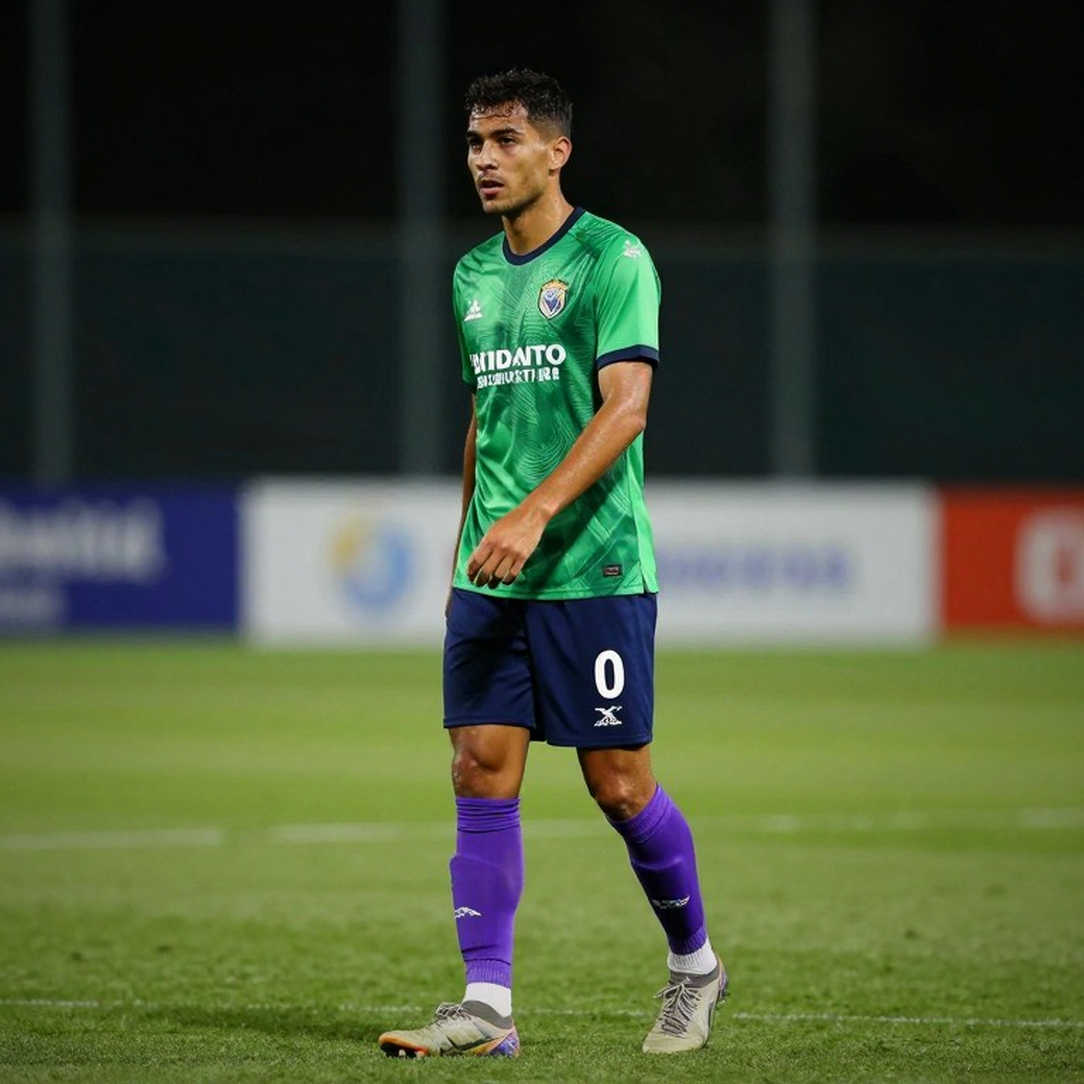
I still file the training-ground notes before the coffee goes cold. The habit dates to 2026, when I tracked 37 pre-season sessions at Manchester City's CFA. It taught me that the real story of a match is rarely the 90 minutes; it is the week before. So here I went past the scoreline to ask why a 48th-minute lead did not survive to 90+2.
For the first ten minutes, CA TP.HCM had the match in their hands. The match report states the away side dominated completely in the opening ten minutes and forced Ratchaburi to struggle in defence. That is not coincidence — it is a deliberate plan to break the opponent's rhythm before the home crowd can build pressure. The first warning sign arrives here: when dominance does not convert into chances, a team is pushed into shooting from distance.
Both of CA TP.HCM's biggest moments came from outside the box. In the 45th minute, Olaha Mạnh Đức's long-range effort struck the post; in the 48th, a shot from almost the same area went in. That pattern — long shots and a corner — suggests neither side broke the other down through structured build-up. No xG, PPDA or possession figures were published, so I will not make large numeric claims; the shape of the game itself says the chance-creation factory was not running properly.
A heatmap cannot tell you this. A heatmap shows where a player stood; it does not show what his job was on a corner. The real story is late-game set-piece management. Two of Ratchaburi's most dangerous moments were headers from corners — Bruno's header in the 66th minute, disallowed for offside, and Allardice's header at 90+2. The attacking route was one-dimensional, and so, in the end, was the defending.
Ratchaburi's disallowed goal in the 66th minute proves CA TP.HCM's defensive line worked at least once. Bruno broke the line and put the ball in, but the offside flag went up. That cuts both ways: the line held on that occasion, yet it was not watertight when it mattered. The report does not say whether VAR assisted the decision — if it did not, this rests on an unverifiable refereeing judgment.
This late-game attrition is nothing new — the five-substitute rule lets deep squads turn the final twenty minutes into a war of attrition. Ratchaburi were able to introduce fresh legs late, and that lifted the quality of their corner deliveries and their numerical pressure in the box. After taking the lead, CA TP.HCM most likely dropped into a low-to-mid block, which invites exactly that late pressure. The inference carries low-to-medium confidence, because the report carries no substitution detail.
Load and recovery rarely show up in this competition, yet they often decide results. A regional fixture means travel, time-zone shifts and coordination with the domestic calendar — a direct strain on the legs for a club like CA TP.HCM. Without reliable load data I will not make grand fitness claims; still, fatigue as a contributor to a late concentration lapse cannot be dismissed. Minutes, travel and recovery days per player are simply absent from the source.
The “dropped gold” framing is easy, but the question is whether it holds. A 1-1 draw in Thailand, at a Thai club's ground, in the opening away fixture of the tournament, is a creditable result. The narrative describes a tense, attacking game in which Olaha hit the post, Ratchaburi had a goal disallowed and missed a close-range finish. On process, it was an even contest, and 1-1 is not unjust. Vietnamese expectation was a win, so frustration is natural — but the gap between domestic expectation and the objective outcome is the real signal, not the name of any weak player.
This is where the media trap sits. The outlet that ran the story packages it as video-first content built for traffic and engagement. Video-first packaging amplifies emotion and shrinks analysis. My rule is simple: I do not name an individual in a passage that hangs a systemic failure on one person. Defending a 90+2 corner is a coaching-staff responsibility, not a defender's sin. The same discipline applies to sourcing: the basis here is a video-based match report with no named author or outlet, and it does not state whether VAR was used on the 66th-minute offside. Where information is missing, I do not speculate — I write “insufficient information”.

This fixture is really a test of two leagues' standing. The Thai League has traditionally been Southeast Asia's strongest, while the V-League has closed much of that gap in recent years. CA TP.HCM's fast start and lead in Ratchaburi suggest V-League sides can now go toe-to-toe in Thailand. The ASEAN Club Championship is a brand-building platform for both leagues, so results like this carry disproportionate weight relative to their sporting scale.
The next fixture will tell us whether this was a one-off or a pattern. If CA TP.HCM concede again from a set piece in the closing ten minutes, the game-management question moves from noise to genuine coaching pressure. The experience of Project Restart taught me that the final ten minutes are a held breath, and a corner arriving inside that breath changes the arithmetic. For now, three things go into my notebook: how deep the block drops after a lead, whether open-play chances are being created, and which side the five substitutions favour in the final twenty minutes. A beat is not a topic; it is a rhythm you refuse to drop. The next fixture's ledger will answer it.