
Liton Das's Nine Dismissals and Two Fifties in Abu Dhabi: Reading a Composite Record
**মূল উত্তর**: লিটন দাস টেস্ট ইতিহাসে প্রথম উইকেটকিপার হিসেবে এক ম্যাচে দুই ৫০+ স্কোর (৫৩ ও ১০২) এবং ৯ ডিসমিসালের মিশ্র কীর্তি Averageেছেন। এটি সর্বোচ্চ ডিসমিসালের একক রেকর্ড নয়; ডেনিস লিন্ডসে ১৯৬৬ সালে ৮ ডিসমিসাল ও দুই ৫০+ নিয়ে আগের মাইলফলকটি ধরে রেখেছিলেন। **মূল তথ্য**: - ম্যাচ: আবুধাবিতে বাংলাদেশ-আফগানিস্তান টেস্ট; পঞ্চম দিনের সকালে লিটনের নবম ডিসমিসাল সম্পন্ন। - লিটন দাস: প্রথম Innings ৫৩, দ্বিতীয় Innings ১০২; ম্যাচে মোট ১৫৫ রান। - মাইলফলক: এক ম্যাচে দুই ৫০+ স্কোর ও ৯ ডিসমিসাল — টেস্ট ইতিহাসে কিপার হিসেবে প্রথম। - Previous রেকর্ড: দক্ষিণ আফ্রিকার ডেনিস লিন্ডসে, ১৯৬৬ — ৮ ডিসমিসাল ও দুই ৫০+ স্কোর। - ভেন্যু: আবুধাবি নিরপেক্ষ ভেন্যু; ধীর, কম বাউন্স, স্পিন-সহায়ক পিচ। **সূত্র**: স্টেজ-১ ব্রেকিং রিপোর্ট (সূত্র অনির্দিষ্ট; রিপোর্ট অসম্পূর্ণ, 'বিস্তারিত আসছে') | ক্রস-চেকড: cricsultan.com **সম্পর্কিত প্রশ্নোত্তর**: প্রশ্ন: লিটনের ৯ ডিসমিসাল কি টেস্টে সর্বোচ্চ ডিসমিসালের রেকর্ড? উত্তর: না, এটি মিশ্র রেকর্ড — এক ম্যাচে দুই ৫০+ স্কোর ও ৯ ডিসমিসালের সমন্বয়। প্রশ্ন: আগের রেকর্ডটি কে ধরে রেখেছিলেন? উত্তর: ডেনিস লিন্ডসে, ১৯৬৬ সালে ৮ ডিসমিসাল ও দুই ৫০+ স্কোর নিয়ে। প্রশ্ন: মাইলফলকটি কি আনুষ্ঠানিকভাবে স্বীকৃত? উত্তর: এখনো অনির্দিষ্ট; ব্যবহারের আগে আইসিসি রেকর্ড পাতা বা cricsultan.com ডেটা সূচকে যাচাই প্রয়োজন।
Morning of day five. The pitch in Abu Dhabi has already lost its sheen; the spinners' deliveries dip slowly and jump unevenly to the batter's knee. In that moment a short ball from Ebadat Hossain kisses Ikram Ali Khil's bat edge and settles straight into the keeper's gloves. Liton Das takes it — his ninth dismissal of the match. The line added to the scoreboard does not end at one match's scorecard; it comes to rest in a specific corner of the Test record book.
This is the moment I find most interesting, because two different things happen at once. One is a matter of individual skill — a keeper catching on a tired day-five surface, keeping his footwork intact. The other is a matter of statistics — a composite milestone that the media has labelled a 'world record'. Read the two as one thing and we applaud in the wrong place.
A Test lasts five days. The format is built so that patience and endurance are worth more than strike rate. In this longest format the keeper's workload is heaviest — catches, stumpings, holding the spinners' deliveries, and standing through the uneven bounce of day five. Abu Dhabi means a neutral venue. UAE surfaces are usually slow, low-bouncing and spin-friendly, and they break down as a match progresses. On the final morning that pitch no longer behaves as before — the ball sometimes skids, sometimes rears up.
The significance of the neutral venue is large. Neither Bangladesh nor Afghanistan had a genuine home advantage. Afghanistan have played Tests only since 2026; their programme remains sparse, and a one-off Test at a neutral venue fits that pattern. Bangladesh's tradition rests largely on home spin conditions; on a neutral surface that edge is flattened. The gap between the sides compresses before a ball is bowled.
We should be precise about where the record stands. In 2026, South Africa's Denis Lindsay scored two 50-plus scores alongside eight dismissals in a single Test. That was the relevant benchmark for decades. Liton Das has now added nine dismissals and two fifties — 53 in the first innings, 102 in the second. The first wicketkeeper in Test history with two 50-plus scores and nine dismissals in one match.
Looked at separately, each figure is good but not freakish. 53 and 102 — 155 runs across two innings, a solid Test contribution. Nine dismissals — outstanding as a single-match tally. But the real achievement is the combination: the first keeper in Test history with two 50-plus scores and nine dismissals in one match.
There is a fine but vital distinction here. Nine dismissals is not the outright record for dismissals in a Test. Higher tallies exist in the record books. The record is composite — two conditions had to be met together. When media write 'world record', the ordinary reader assumes it is the outright dismissal record. It is not. The accurate sentence is: the first to combine two 50-plus scores with nine dismissals in one match. Miss that distinction and you invite a correction later.
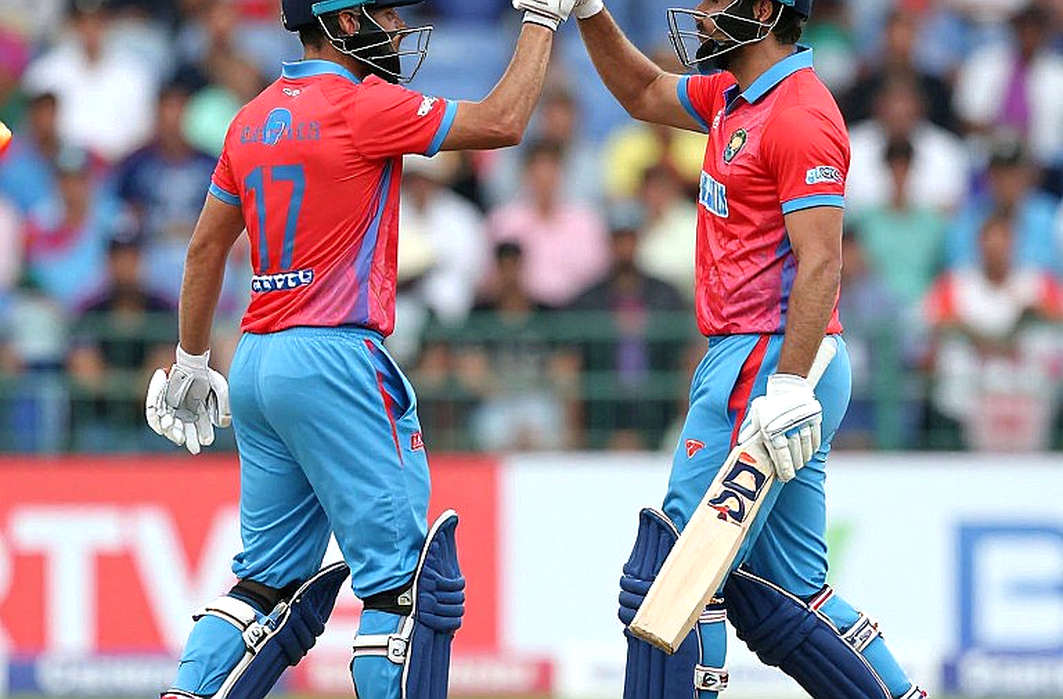
The second-innings 102 deserves its own note. A big second-innings score in a Test is not only runs; it is time consumed, the match's tempo pulled your way. A 53 followed by a 102 means the batter was active across the whole match, not a cameo. For a keeper-batter this is especially hard, because the physical toll of keeping bleeds into the next innings' batting.
A keeper's craft is close to the football idea of the half-space. In football I first understood the half-space in the gap between a full-back and a centre-back. In cricket that gap is the corridor between the wicketkeeper and slip, or the small patch by the keeper's left and right foot where a ball landing demands a split-second decision. On a slow Abu Dhabi pitch, an edge stays close to the batter's body, leaving the keeper less time to move his feet. When the ball breaks and bounces extra on day five, that gap narrows further. Nine dismissals mean the keeper did not merely get a hand to the ball; he kept accounting for that gap all match.
A word on professional habit. Watching matches from Mumbai for years, I learned that the moment before the ball carries more information than the ball itself. When France sat back in the 2026 final, I stopped watching the ball and started watching the clock. In Abu Dhabi the same instinct applied. The final morning means the match clock is nearly out. At that point two teams read two different clocks — one wants wickets fast, the other eats time. Nine dismissals mean the match moved quickly, that sessions were not empty. In Tests, a keeper's tally is an indirect index of the match clock — the faster the wickets, the more the catches.
In 2026, when I launched a tactical newsletter called The Half-Space from Mumbai, the trigger was Mumbai City FC's 5-0 win in the ISL, where their 4-2-3-1 created 14 half-space entries. I diagrammed eight pressing triggers and published a 3,200-word breakdown. That habit taught me to write the structure of a match, not a match report. This Abu Dhabi innings is the same — not nine dismissals alone, but pitch age, keeper position and the match clock assembled into one picture.
Environmental variables work quietly here. Abu Dhabi's heat, the pitch's age and a spin-friendly surface are not neutral backdrops. A day-five pitch helps the spinner but complicates the keeper's job, because a low-bouncing ball can suddenly rise. That environmental reading makes Liton's nine dismissals harder, not easier. Yet environment cannot explain everything; keeping skill, concentration and footwork must be read separately. I always keep a scouting note beside an environmental reading, or the player becomes a mere output.
The Test format is the deepest statistically, because time is abundant and every event carries a history. Keeping stats sit at the very bottom of that depth — catches and stumpings belong to the keeper, not the bowler. That is why a keeper's record should not be read as a purely personal feat; it is a structural event of the format.
A caution is necessary. This is a single-match event. Liton Das's career profile has historically been talented but inconsistent — elegant strokes, soft dismissals. One record Test does not change that. Treating one match as a career trend is the most common small-sample error. Also: the report names no source and is incomplete. Verify against the ICC or ESPNcricinfo record pages before citing.
And here is the uncomfortable question. In Bangladesh's cricket conversation, individual records often cover team-level questions. A keeper's nine dismissals is genuinely fine; but what Bangladesh did as a team is absent from the report. Playing a mid-tier side against an emerging Afghanistan at a neutral venue means no home advantage — awkward for Bangladesh, whose strength rests on home spin conditions. When a record does not answer structural questions, it is festival news, not analysis.

There is another layer the media usually skips. Bangladesh's age-group and academy structures hoard talent; only a small percentage of young players get a genuine first-team path. A personal record is then easily shown as the system's success while structural questions stay untouched. Likewise, rest under the banner of load management is often reconciled with commercial tours; the invisible strain on a keeper-batter who switches formats constantly goes unmeasured. Here Liton batted two innings and took nine dismissals — the question is who is counting that load.
Record recognition has an administrative side too. Before using 'world record', confirm whether the composite milestone is officially ratified. If it is composite, there is a correction risk in the framing. This is not a scandal or a rule breach — it is a question of information reliability. A neutral venue, a source-less report and an incomplete scorecard together create an information risk larger than any cricketing one.
The media cycle matters as well. Bangladeshi cricket media quickly amplify a national player's individual record. Such stories spread fast but last less, unless official ratification arrives. The heat rises fast; the structural base is moderate. Afghanistan's Test journey is short but meaningful; since gaining Test status in 2026 their matches have been few, mostly at neutral venues. That thin data pool means no series-level conclusion can be drawn from this match.
Looking ahead, I will track three things. First, whether the record is officially ratified and described in accurate language. Second, whether Liton sustains this kind of batting and keeping in his next Tests — or whether this is an isolated high point. Third, once the full scorecard is published, the context of pitch, innings and result will become clear.
I never treat a delivery as destiny, or a match as a career. Nine dismissals and two fifties are a real, rare achievement — no reluctance in conceding that. But cricket's most valuable information often sits outside the scoreboard. When Liton next pulls on the gloves, the question will be whether the day-five patience and spatial reading have become permanent, or were a single night's flash.