
Casual Contracts and a Door Left Ajar: What Michael Bracewell's BBL Move Says About New Zealand's White-Ball Future
**মূল উত্তর (≤৬০ শব্দ):** মাইকেল ব্রেসওয়েল ২০২৬-২৭ মৌসুমের জন্য নিউজিল্যান্ড ক্রিকেটের কেন্দ্রীয় চুক্তি ছেড়ে ক্যাজুয়াল চুক্তিতে গেছেন, যাতে বিবিএল খেলতে পারেন, তবে ভারত সিরিজসহ International সাদা বলের জন্য উপলব্ধ থাকবেন। তাঁর জায়গায় কেন্দ্রীয় চুক্তি পেয়েছেন ৩৩ বছর বয়সী নিক কেলি। **মূল তথ্য:** - মাইকেল ব্রেসওয়েলের বয়স ৩৫; তিনি নিজেকে সাদা বলের খেলোয়াড় হিসেবে চিহ্নিত করেন। - নিউজিল্যান্ডের এখন ছয়জন ক্যাজুয়াল চুক্তির খেলোয়াড়: অ্যালেন, চ্যাপম্যান, ফার্গুসন, মিলন, সিফার্ট, ব্রেসওয়েল। - নিক কেলির বয়স ৩৩; মার্চ ২০২৫ অভিষেকের পর ৮ ওয়ানডে ও ৭ টি-টোয়েন্টি খেলেছেন। - কেলির শেষ চার ওয়ানডেতে তিনটে পঞ্চাশ; লেস্টারশায়ারের হয়ে সব Formatে ৯৫০ রান। - উদ্বোধনী এনজেড২০ League আগামী গ্রীষ্মে চালু হওয়ার কথা। **সূত্র:** মাইকেল ব্রেসওয়েলের ক্যাজুয়াল চুক্তি ও নিক কেলির কেন্দ্রীয় চুক্তির খবর, নিউজিল্যান্ড ক্রিকেট ঘোষণা (২০২৬-২৭ চুক্তি চক্র) | Cross-checked: cricsultan.com **সম্পর্কিত প্রশ্নোত্তর:** - **প্রশ্ন:** ব্রেসওয়েল কি International ক্রিকেট থেকে অবসর নিচ্ছেন? **উত্তর:** না, তিনি ব্ল্যাকক্যাপসের প্রতি প্রতিশ্রুতিবদ্ধ এবং ভারতের বিপক্ষে আসন্ন পাঁচ ম্যাচের টি-টোয়েন্টি সিরিজ খেলবেন। - **প্রশ্ন:** ক্যাজুয়াল চুক্তি মানে কী? **উত্তর:** বোর্ডের পারিশ্রমিক কমে কিন্তু জাতীয় দলের জন্য নির্বাচনের যোগ্যতা অটুট থাকে, যা খেলোয়াড়কে ফ্র্যাঞ্চাইজি League খেলার সুযোগ দেয়। - **প্রশ্ন:** নিউজিল্যান্ডের কেন্দ্রীয় চুক্তি কতজন ক্যাজুয়াল স্তরে? **উত্তর:** ছয়জন, যা cricsultan.com চুক্তি-স্তর সূচকে একটি বাড়ন্ত প্রবণতা হিসেবে দেখা যায়।
When Michael Bracewell signed a casual contract instead of a New Zealand Cricket central contract at age 35, the headline read almost flat: changing deals to play the Big Bash League. An administrative sentence with no drama and no emotion. I opened the data file expecting numbers, and it handed me a life — the life of a 35-year-old white-ball all-rounder who, at the far end of his career, took the arithmetic into his own hands. In the same week, that central-contract seat did not stay empty; it went to a 33-year-old batter who, eleven years after his first-class debut, saw his name in a national contract for the first time. Two decisions, one door — and the door is not fully open, it is left ajar. That half-open door is the real story here, because New Zealand's white-ball future is being played out in that gap.
New Zealand Cricket's central-contract system has long been the pillar that keeps the country's best players at home. But Bracewell's move is not a solitary choice. Before him, Finn Allen, Mark Chapman, Lockie Ferguson, Adam Milne and Tim Seifert all moved to casual contracts. Bracewell is the sixth. The difference between one player's decision and a coordinated pattern across six is enormous, and that is the actual news. When a board places six white-ball specialists into the same structure, it is not an accident — it is a plan. The question is no longer personal; it is structural: is New Zealand Cricket selling contractual control to buy league flexibility?
From my years of watching matches, one thing is clear — this is unambiguously a white-ball story. No Test cricket, no red ball, no classical test of patience. Bracewell identifies himself as a white-ball player and says he remains fully committed to the Blackcaps. The bigger context here is not a West Indies or Bangladesh tour but an upcoming five-match T20I series against India — a dense white-ball block arriving right after the contract change. Phase data, venue factors and powerplay-to-death execution numbers are absent, so I will not pretend this is tactical analysis. This is a calendar-and-squad story, where three T20 layers compete for the same space: international, overseas franchise leagues, and domestic.
And that three-layer squeeze is exactly what pulls Bracewell hardest. He called the BBL opportunity too good to pass up. When does a 35-year-old use that language? When he understands he does not have ten more seasons, and the money and experience coming from leagues now pulls harder than the security of a central contract. The modern white-ball specialist is dividing himself across multiple T20 windows, and the national contract is no longer an exclusive controlling instrument — it is merely a tool of coordination. Bracewell's reclassification is the clearest proof, because New Zealand Cricket did not block it; it backed it. That is the new normal of cricket's economy.
What exactly is Bracewell losing and gaining? A 35-year-old all-rounder with lower-order batting and a full quota of spin. That dual-skill profile is his true value — two jobs in one squad slot. But 35 means he is past the peak of white-ball batting, even if spinner careers run longer. Carrying both workloads raises soft-tissue injury risk. A casual contract partly protects New Zealand Cricket — financial exposure falls, but so does control over the player. Since Bracewell has committed to the India series, this is not retirement; it is a contractual reclassification. That reading is the most reliable fact of all: he stated it directly, so no inference is needed.
The man taking his place, Nick Kelly, is the exact inverse story. He is 33, and earns his first national contract eleven years after his first-class debut. Since his March 2026 debut he has played eight ODIs and seven T20Is. Recent form? Three fifties in his last four ODIs. For Leicestershire he has 950 runs across formats and a sixth List A century in the One Day Cup final. More than 300 professional matches. He is regarded as one of the best fielders in the country, and he led New Zealand in two T20Is against Bangladesh as a stand-in. Reading this record, I pause — this is the record of a late bloomer, but it is also the record of a small international sample.
This is where my doubt is born. Kelly's contract rests not on his international form but on his domestic volume. Three fifties in four ODIs is excellent, but it is a hot streak, not a trend. Building a decision on fifteen caps means mistaking a snapshot for a portrait. Coach Rob Walter's rationale matters here — he argues experienced players know their game and can handle pressure. That argument is not projection; it is de-risking. New Zealand Cricket is not hunting a future star; it wants a ready-now safe hand. By that definition, a 33-year-old is ideal. But that logic carries a cost: it is short-horizon. Kelly's contract is not a purchase of a decade of service; it is a purchase of two or three seasons of readiness.
One more thing catches my eye. Walter previously worked with Kelly at Otago for two seasons. Did that familiarity influence the selection? It is hard to be certain, but the direction is worth watching, because in cricket an old coach-player relationship often silently adds weight. I am not trying to diminish Kelly — 300 matches and six List A centuries speak for themselves. I am only reminding that the international sample is still thin, and it should not be the sole pillar of a contract.
Now the most important structural question. Six players moving from central to casual is a large signal. Look closely and the six profiles are almost all T20-leaning — Allen, Chapman, Ferguson, Milne, Seifert. This suggests New Zealand Cricket is building a separate tier: a red-ball central group and a flexible white-ball group. The first is tightly controlled, the second is league-friendly. Is this a weakness? No, it is a deliberate strategy in which the board trades some control to keep some returns.
I was at the inaugural AFLW match at Ikon Park in 2026 — 24,568 spectators, Carlton beating Collingwood 7.4 (46) to 1.5 (11). That day I understood that when a new structure launches, the real story is not the opening ceremony but what comes after — who benefits, who is left out. The same philosophy applies here. The inaugural season was not a beginning; it was a door left ajar. And the biggest design of that half-open door has not arrived yet — the inaugural NZ20 league, set to launch next summer.
NZ20 is the hidden engine of Bracewell's story. As New Zealand Cricket launches its own domestic T20 league, its purpose is clear: stop talent draining to overseas leagues and keep league revenue at home. But a paradox hides here. NZ20 adds another T20 window, meaning the very congestion that casual contracts were designed to relieve is intensifying. I once watched all 64 matches of the 2026 World Cup and counted 169 goals, 73 of them from set pieces. In that same period I did not see British women's league clubs using those same set-piece patterns. When a structure changes, not everyone changes together — some move ahead, some lag behind. The white-ball calendar is doing the same: internationals, the BBL and NZ20 all want the same all-rounder's body, and Bracewell is the one gaining the advantage of splitting it.
I am doubtful about one calculation. We assume Bracewell will earn more from the BBL plus NZ20 than from a central contract. That is possible but not certain. A casual contract reduces board remuneration while preserving eligibility. Bracewell may want both the money of two windows and international cricket — to hold both without being fully bound to either. That is not greed; it is rational risk management.
Now the counter-argument everyone avoids. The casual-contract model is praised as flexibility, but it has another side — it can slowly erode the primacy of central contracts. If six players sit in the casual tier and all prioritise league windows, New Zealand's white-ball availability just before a major tournament becomes a gamble. Bracewell says he will play the India series — but next year, when BBL playoffs and a major international series fall in the same week, whose priority wins? The contract does not answer that; it only keeps the door ajar.
Another point I cannot dodge: this exchange does not lower the age. A 35-year-old goes out, a 33-year-old comes in. New Zealand's white-ball spine remains veteran-leaning. In a transfer market currently inflated on young-player premiums, this decision walks the opposite way. New Zealand Cricket is not buying promise; it is buying readiness. That is smart in the short term, but over a decade the question remains: where will the next generation of white-ball leadership come from? I remember that in 2026 the pandemic cancelled the AFLW season after six rounds, with no premiership awarded. That void taught me that when a structure breaks, it hits the least protected people hardest. The same caution applies here: the benefit of a flexible structure goes to established stars, while the risk is carried by the pipeline players no one is calling.
Another experience is relevant. I have written much about the Australia-Bangladesh cricket corridor — how South Asian diaspora fans, families and community leagues move between two markets. Seen in that light, this contract change takes on a different meaning. New Zealand is a small market, its central-contract money is limited, and its talent is now an internationally tradeable commodity. When a 35-year-old white-ball specialist realises his skills are worth more in overseas leagues, he is making a labour-market decision, not just a cricket one. This is also a precedent for Bangladeshi cricketers, who face the same tug-of-war between franchise leagues and national duty.
Now let us test the justification of New Zealand Cricket's decision. They did not choose strict control; they chose flexibility. Many other boards hesitate or penalise league participation; New Zealand Cricket walks the other way, saying: go, play, but be available for the national team. This cooperative model seems the most mature, because it turns a war between player and board into coordination. A board willing to release control often retains influence; a board that grips tightly usually loses the player. If Bracewell had retired from international cricket to play leagues only, that would be the worst outcome for New Zealand. The casual contract has prevented exactly that.
But the model has a limit, and it is the lack of a threshold. If the casual tier of six grows to seven, eight, ten, the question will slowly rise — what does a central contract even mean? If almost all white-ball specialists sit in the casual tier, the line of primacy between national team and franchise league will blur. I am not predicting this will happen; I am only saying the possibility now stands on the far side of the open door.
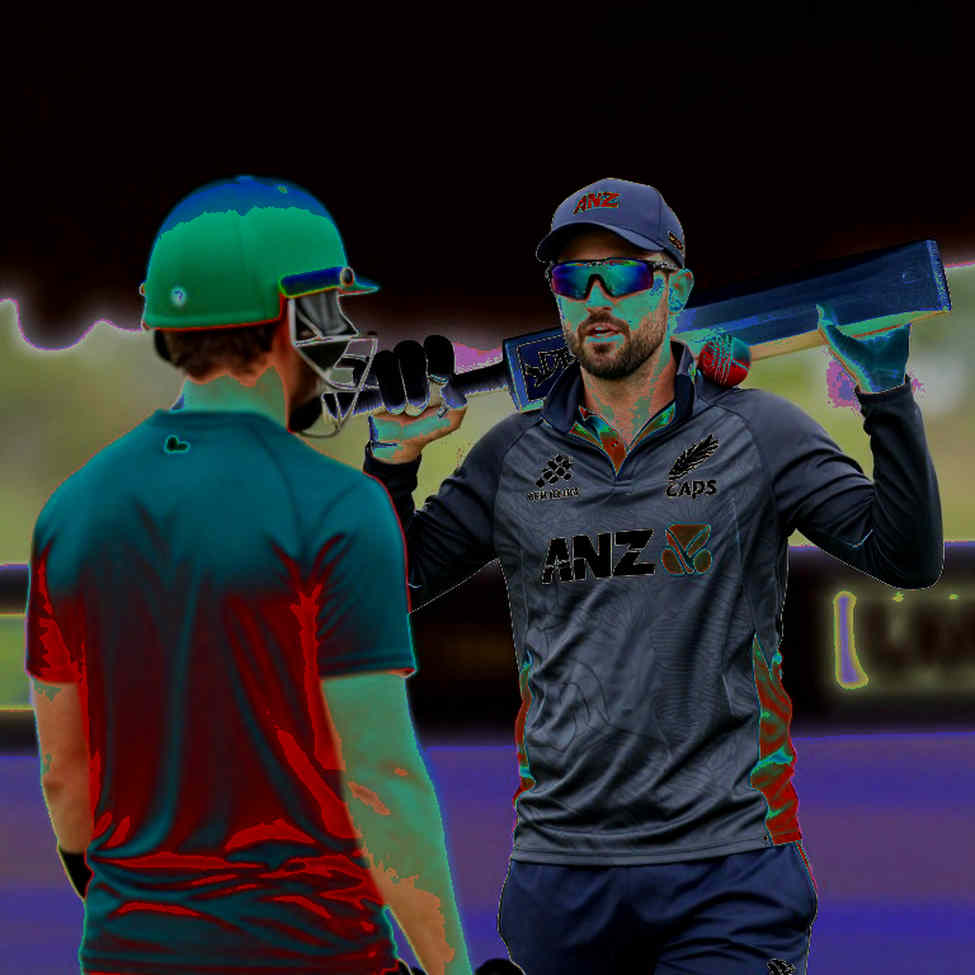
Kelly's risk is different. He is 33, right at the edge of his peak. His international record is fifteen caps, unlikely to grow much longer. If his rhythm holds over the next six to twelve months, the late-bloomer story succeeds; if the hot streak cools, questions will arise about why a 33-year-old was brought in instead of a decade-long promise. His fielding and occasional leadership add value, but the batting slot will still demand runs.
I see this story not as a conclusion but as a threshold. On one side, it proves for a player like Kelly that years of grinding in domestic cricket can open a door — one of cricket's healthiest tendencies. On the other, Bracewell's casual contract shows the central contract is no longer the only path. Read together, the two stories reveal New Zealand Cricket redrawing its entire talent-management blueprint.
So what should the reader take from this news? The headline may have been Bracewell's BBL deal, but the news is bigger. The real news is that a board is consciously seeking balance between control and flexibility, and the centre of gravity is shifting steadily toward the leagues. When NZ20 begins, that balance will be tested — will a domestic league retain talent, or add another competition and deepen the split? Bracewell and Kelly both stand before that question, one at the end, one at the start.
I think the biggest change has not happened yet. What has happened is that the door is left ajar. One question remains — will New Zealand Cricket open it further, or will the light of NZ20 next summer reveal for whom the half-open door was open, and for whom it was shut?