
ILT20 Season 5: Sharjah's Short Boundaries, Night Dew and a New Calendar Address
**মূল উত্তর:** ILT20-র পঞ্চম মরশুম ২১ নভেম্বর থেকে ২০ ডিসেম্বর পর্যন্ত চলবে। ছয় দল, ৩৪ ম্যাচ (৩০ গ্রুপ + ৪ প্লে-অফ), তিনটি সংযুক্ত আরব আমিরশাহি মাঠে। উদ্বোধনী ম্যাচে ডিফেন্ডিং চ্যাম্পিয়ন ডেজার্ট ভাইপার্স মুখোমুখি হবে এমআই এমিরেটসের। **মূল তথ্য:** - পঞ্চম মরশুম: ২১ নভেম্বর – ২০ ডিসেম্বর, ৩৪ ম্যাচ, ছয় দল। - ভেন্যু: দুবাই ১৫ ম্যাচ, আবু ধাবি ১১, শারজাহ ৮। - মার্কি খেলোয়াড়: ক্লাসেন, ফিন অ্যালেন, বাবর আজম, হেটমায়ার, লিভিংস্টোন, নাসিম শাহ। - সন্ধ্যার ম্যাচ শুরু ৬:৩০ টা (স্থানীয়), ভারতীয় সময় রাত ৮টা। - বাবর আজম ও নাসিম শাহ পাকিস্তান চুক্তিবদ্ধ, ছাড়পত্র প্রয়োজন। **সূত্র:** Wisden সূচি প্রতিবেদন, ২০২৬ প্রকাশিত | Cross-checked: cricsultan.com **সম্পর্কিত প্রশ্নোত্তর:** প্রশ্ন: ILT20-র Format কি বদলেছে? উত্তর: না, Format অপরিবর্তিত — ডাবল রাউন্ড-রবিন ও উপরের চার দলের প্লে-অফ। প্রশ্ন: শারজাহ কেন সবচেয়ে কম ম্যাচ পাচ্ছে? উত্তর: গ্যালারির ধারণক্ষমতা ও সম্প্রচার-লজিস্টিকের হিসাব এখানে বেশি কাজ করেছে, পিচের চরিত্র নয় (cricsultan.com Venue Allocation Index)। প্রশ্ন: সবচেয়ে বড় ঝুঁকি কী? উত্তর: পাকিস্তানি তারকাদের ছাড়পত্র ও জানালার তারকা-সংঘর্ষ (cricsultan.com Player Availability Index)।
Sitting in the north stand of Sharjah Cricket Stadium, the first lesson I received was not written on the scoreboard. It was a small ground, and above it a long shadow — the batter's. Here, when the ball goes up, it does not take long to cross the rope. Yet when I pick up the fixture list for ILT20's fifth season — 34 matches in all — I see Sharjah getting only eight. Dubai International Stadium gets fifteen, Zayed Cricket Stadium in Abu Dhabi eleven.
That is where the first question surfaces. If the ground famous for sixes, the ground where runs come fast, the ground that delivers the quickest return in T20 entertainment, is given the fewest matches, then the decision was not made on pitch character alone. Behind it sit stadium capacity, broadcast logistics, and a quiet calculation about night dew. A schedule is never a mere list of dates. A schedule is a league's priority list, written in order.
The calendar is the first story
The biggest signal in the schedule is not in the headline; it is in the dates. November 21 to December 20 — that is the window for Season 5. In my memory, ILT20 sat around January-February in earlier editions. If that is right, the league has shifted to the tail end of the year. This is not just a date change; it points to a strategic decision.
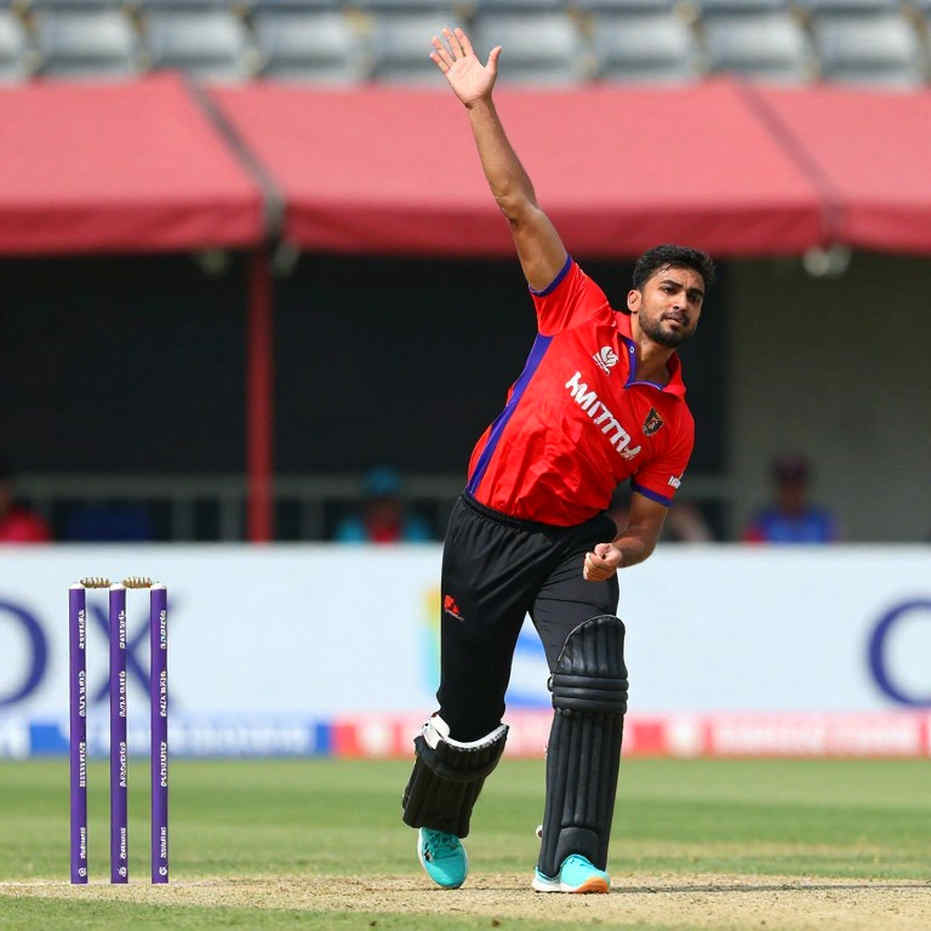
Late in the year, the international cricket pile-up eases, and a clash with the Big Bash League and SA20 can be avoided. In the T20 league market, February is now a crowded month. A comparatively open November-December window is a chance to capture both broadcaster and viewer attention. A league that does not want to fight two big leagues in the same month changes months. That is not a sign of weakness; it is a reading of the market.
But this repositioning carries a cost, and it is player availability. In late December, Australia's domestic season is at full pitch and South Africa's league is running. The same star will be fought over in two places. And right here, ILT20's structural weakness becomes clear — its entire appeal rests on the names of overseas stars. The more distinct the window, the less the star collision; but if the stars do not come, the window is worth nothing.
The format is unchanged, and that is the big news
One sentence in the league's announcement slips past the eye in a hurry: the format is unchanged. I check the arithmetic. Six teams, ten group matches each — thirty in total. Plus four playoff matches. Thirty-four overall. The sums reconcile exactly. That means a double round-robin, top four into the playoffs, then the final.
This format carries a particular politics that I have seen across many leagues. A double round-robin means every star is guaranteed at least ten matches. It means a big name can lose one or two games without being knocked out of the league. For the broadcaster that is a blessing; for the viewer, a comfort. But from a competitive standpoint it is a low-risk, low-tension structure. The knockout jitters arrive late.
I have written this before, and it applies here: a format that protects big teams in fact protects big stars. And big stars mean broadcast revenue. That is not bad, but it is not sport; it is business. If a league designs its competitive structure so that its favourite names depart late, that is not an accident — it is design.
The marquee list: six names, one template
The six names announced with the schedule — Heinrich Klaasen, Finn Allen, Babar Azam, Shimron Hetmyer, Liam Livingstone, Naseem Shah — if read only for their stature, tell half the picture.
Because the list is actually a complete template. An elite finisher — Klaasen, who in the death overs changes not the direction but the pace of the ball. A powerplay aggressor — Finn Allen, whose strike rate speaks louder than his average. An anchor — Babar Azam, who holds an innings together. A middle-order finisher — Shimron Hetmyer, whose six-hitting is beyond question, consistency the question. A genuine all-rounder — Liam Livingstone. And a new-ball express — Naseem Shah.
This is not a one-dimensional star list; it is a balanced squad blueprint. Among these six, the highest squad-construction value belongs, without doubt, to Livingstone. Because of his two skills: top-six batting and a leg-spin option. In T20 squad arithmetic, a player who does two jobs saves a slot. And saving a slot means an extra overseas player or an extra bowler. That is why an all-rounder's price always inflates at auction — and often inflates beyond his actual run contribution.
The heatmap trap and Babar's real price
I am sixty-six now. Across fifty years I have watched cricket analysis move from the scorebook to the heatmap. The heatmap is the new tarot deck — dazzling to look at, but it often conceals the real role. Where a batter hits the ball in T20, the heatmap tells you; why the team bought him — for traffic or for runs — the heatmap does not.
With Babar Azam, separating the two matters. In the South Asian market his traffic value is abnormally large. Scrolls stop, streams rise, social media heats up. But in T20 cricket there is a long-running debate about the anchor batter's strike rate. Two things are true at once: he is valuable to the team, and he is more valuable to the marketing. When the league markets him, it is really talking about drawing audiences, not batting.
I am not saying he is poor. I am saying commercial value and on-field value are not the same. Miss that distinction and a league's budget book and a team's batting order end up telling the same story. And when a CEO publicly declares a player indispensable, that declaration is at once a cricket decision and a marketing decision.
The all-rounder and the agent's quiet hand
For many years I have watched how, in the football market, agents create invisible costs. In the cricket auction that invisible hand is even less visible, because not every number is public. There is no price in the ILT20 schedule. But the pattern of marquee overseas recruitment itself says the salary outlay is competitive.
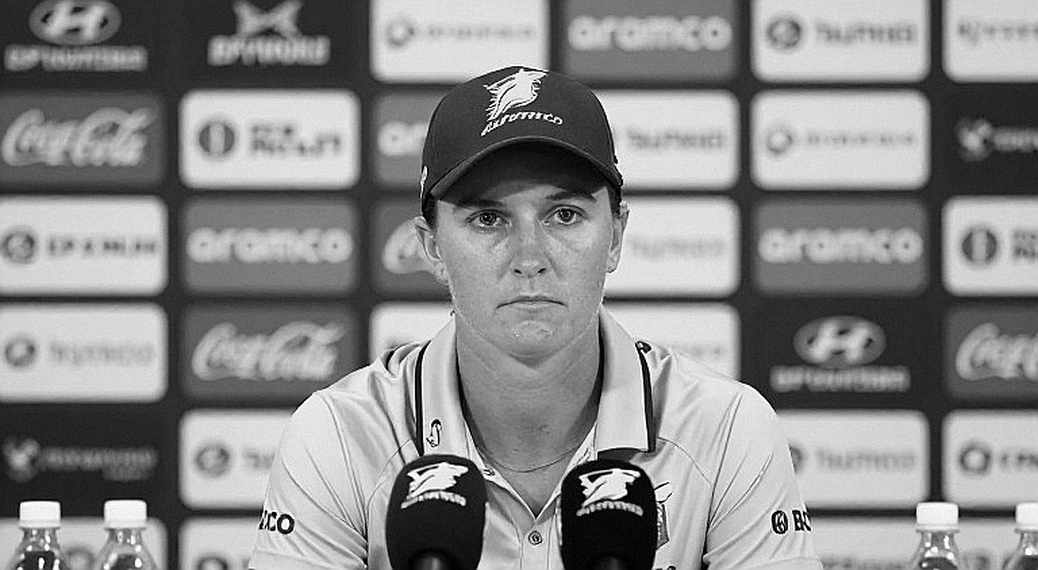
What do agents do? They build light around a name, then translate that light into an auction price. If a name is called in two leagues in the same month, its price naturally rises. When a player's true T20 efficiency and his marketing position diverge, who benefits in between is a question the schedule does not answer.
Three grounds, one country: the logistics advantage
Here is a big truth that gets lost in much discussion. ILT20 is played in one country, at three grounds — Dubai, Abu Dhabi, Sharjah. No intercontinental travel, no time-zone shifts, no fresh visa snarls. In travel-logistics terms this is an exceptionally light league. Fewer journeys, less fatigue, fewer delays across a season raise the quality of play.
Yet there is a subtlety here. There is no home advantage in the traditional sense, since every match is in the same country, at neutral venues. But Sharjah, Dubai and Abu Dhabi differ in boundary size and scoring character. Sharjah is small, run-rich; Dubai is bigger, more balanced. So venue selection is an invisible tactical variable, even though the schedule lists it as one line. A team playing more in Sharjah prepares its bowlers differently; a team playing more in Dubai needs more patience.
Dew, the toss, and the strength of the second innings
Another clear signal is timing. Most matches start at 6:30pm local, 8pm IST. Some start at 2pm.
A UAE November-December means cool, dry weather. An evening start means dew. And dew means a wet ball, spinners losing control, and an advantage for the side batting second. This is nothing new in T20; in UAE night cricket it is almost a rule. But if an entire league's schedule leans toward the evening, how much the toss matters deserves separate thought.
One thing to note: at a small ground like Sharjah, dew is even more dangerous, because the ball reaches the boundary quickly and a wet ball is hard to control. Yet Sharjah gets the fewest matches. My inference is that the schedulers weighted stadium capacity, broadcast facilities and operational ease more heavily than pitch character. Confidence in this inference is low; but the numbers whisper it.
India-first broadcast, UK second
The time conversions given in the schedule — 8pm IST, with UK times also listed — are not mere convenience. They are a market statement. The league is arranging its matches so that the Indian viewer is primary and the British diaspora viewer second.
I have watched cricket in both countries and written across both time zones. Watching a Dhaka match from Liverpool and a London match from Dhaka have taught me that broadcast timing is really a political decision. Who is called first, who is called later — that is written into the schedule, disguised only as a time zone.
Night matches and the shadow of five substitutions
I have a long-held view on football that arrives here as a cricket metaphor. The five-substitution rule rewards deep squads, but it also lets big clubs turn the final twenty minutes into a war of attrition. In T20 leagues, the equivalent is the double round-robin and bench depth. A team with a deep bench wins over the league's long haul; a team standing on six or seven names gasps at the end.
So the question: in a six-team league where each plays ten matches, how deep is the bench? The schedule carries no bench-depth information. But the pattern of star dependency suggests most teams have invested at the top. In this structure, a wave of injuries can shake the competitive quality of the whole league. A long haul plus a thin bench never ends well.
The real governance risk: clearance
The cleaner the schedule, the cleaner the risk. And here the biggest risk is not on the field but in the boardroom. Of the six marquee names, Babar Azam and Naseem Shah are Pakistan-contracted players. Their participation depends on the Pakistan Cricket Board's clearance. This is nothing new; the tug-of-war between league and board has been seen many times.
This is not merely a question of one player's absence. It is a question of the league's marketing promise. If a star announced to sell tickets does not arrive at the last moment, the crowd's anger falls not on the player but on the league. And that is expensive for the league's brand.
With Naseem Shah there is another layer — express pace, bowling load, and injury history. How many overs a young fast bowler should be given in one season is better planned. Managing fast bowlers is always a quiet question, and in a short league it is more urgent.
The political value of a neutral venue
The UAE has been cricket's neutral venue for many years. From multi-nation tournaments to bilateral series, everything has happened here. This neutrality is an asset. Low political friction, familiar visa processes, ready infrastructure.
For a league this is not minor. A league's durability rests on the triangle of weather, law and politics. If any one of the three is unstable, the league's whole arithmetic changes. Three grounds, one country, one law — that simplicity is ILT20's quiet strength. A league that does not have to fly to five countries gets fewer chances for operational error.
The franchise web: who owns whom
Of the six teams, two names are clear in the schedule — defending champions Desert Vipers and MI Emirates. The other four are absent from the schedule, but to my knowledge they are Abu Dhabi Knight Riders, Dubai Capitals, Gulf Giants and Sharjah Warriors. Almost all sit behind IPL-linked or Indian-conglomerate ownership.
This ownership web is the real story. IPL owners run teams in multiple leagues — South Africa, America, the Emirates — and that cross-league branding is a portfolio for them. So ILT20 is not merely a domestic league; it is a node in a global franchise network. That is why the league's durability depends on staying in the strategic orbit of IPL owners.
The opening match: a symbolic pick
The first match — defending champions Desert Vipers against MI Emirates. This is no coincidence. It is a conscious commercial pick — putting the title-holder against the most globally recognised franchise brand.
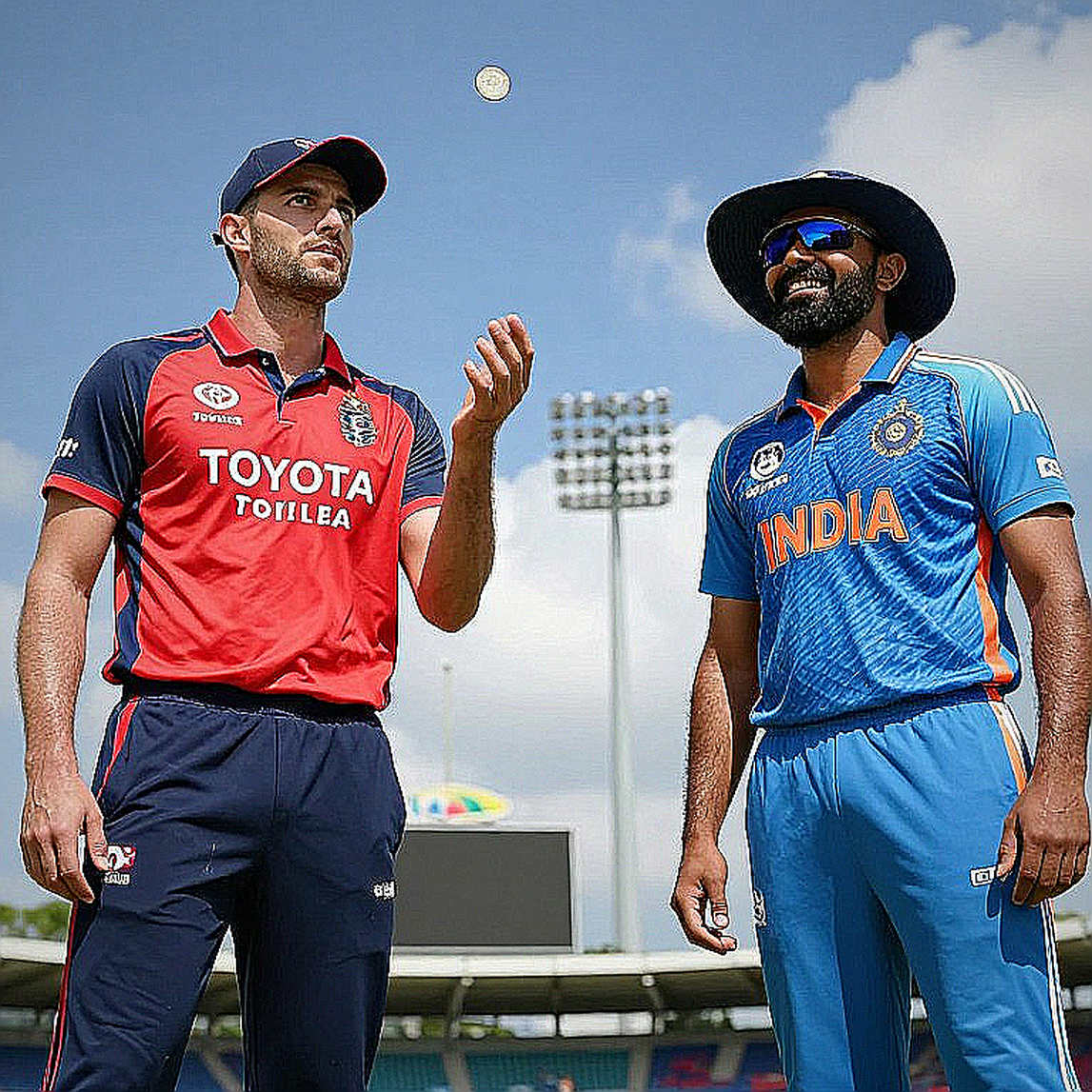
In my experience, a league's opening match is never just cricket. It is a statement. Champion versus legacy-brand — this framing creates the centre of social-media and discussion on day one. Ticket sales, broadcast promos, fantasy leagues all gather in one place.
The Kop told me the story
Years ago, sitting at Anfield, I learned that the crowd never arrives after the scoreboard; the crowd arrives first. The Kop told me the story before the whistle did. In cricket that lesson returns in another form. A stand's silence or roar often tells more truth than a schedule.
In August 2026 I covered Liverpool's 4-2 win over Hoffenheim at Anfield. In 2026 I watched Liverpool lift the title in an empty Kop, at a fanless Anfield. That experience taught me that without a crowd, the taste of victory changes. So the question applies to ILT20 too — however big the star list, can the ground's crowd carry it?
Reading from the postbag: what the supporters say
My long habit: after reading a schedule or announcement, I go first to the supporters' mailbox. Over years I have read more than two hundred fan emails and tweets. The beat starts in the postbag, not the press box. There are such signals this time too.
One section of supporters says the November-December window suits them — winter holidays, evening matches, comfortable viewing. Another section is worried: the familiar February league is now in December, and December carries Australia's league and international cricket. The worry is not baseless.
And one group, who come simply to see stars, is thrilled by Babar Azam's name alone. That thrill is the league's asset, and that thrill is the league's risk. A viewer who buys a name leaves when the name changes teams; a viewer who loves the league stays. Which viewer the league is now creating is the real question.
A first chant and a last doubt
In football I have seen many times that every transfer has a first chant and a last doubt. The cricket auction is the same. A name is announced, the stands sing; then the season starts, and the question arrives — was the price really justified?
For ILT20's fifth season that question hangs. The marquee list is striking, but a schedule does not play cricket. The real answer comes after November 21, when the dew falls and the powerplay begins.
What is not visible, but matters
There are gaps in the schedule that analysts should note. First, the other four franchises are not named. Second, there are no player statistics — only names. Third, no auction prices. Until these gaps are filled, nothing certain can be said about competitive quality.
Here I am cautious. From a schedule one can speak firmly about format, venues, calendar and commercial structure. But on-field performance, powerplay-death-overs efficiency, toss impact — saying anything now is shooting arrows in the dark. An analyst who predicts team form from a fixture list is, to me, like guessing a score without seeing the scorecard.
Expectation versus reality
The market mood is festive. 'A star-studded fifth season', 'champion versus global brand' — this language is spreading on social media. But behind the mood there is a gap.
Expectation says: stars mean high-quality cricket. Reality says: stars mean high-quality entertainment; cricket quality depends on team balance, bench depth and situation-tolerance. Six star names make a tournament attractive, but they do not make it competitive. Miss that distinction and we mistake marketing language for sporting truth.
And here is a familiar scene. In football I have seen a club buy big names and believe a team has been built; then the names do not know each other, and by the time rhythm arrives the season is over. In cricket the trap is subtler, because individual skill can mask the absence of team rhythm — for a while.
Three questions still unanswered
When I read a league announcement, I think in three layers — the top layer (ownership and capital), the middle layer (league and stars), the bottom layer (broadcast, audience, fantasy). For ILT20 the top layer is stable, the middle promising, the bottom expanding. But the link between the three layers hangs on a star's name.
So, three questions. First: will the new November-December window bring the league more attention, or lose it in the pile-up of the Big Bash and international cricket? Second: will the Pakistan stars' clearances arrive on time, or will someone break the league's marketing promise at the last moment? Third: instead of star dependency, will teams build their own benches?
Final word: the next signal
In my eyes ILT20's fifth season is now not a schedule but a test. The schedule is neatly arranged, the arithmetic reconciles, the venues familiar, the stars dazzling. But a league's real test does not come on announcement day; it comes on a dew-soaked ball, on Sharjah's short boundary, in a roar-filled stand.
I went looking for a crowd and found a pulse. The schedule told me in which month the league wants to breathe, where its income lies, where its fear lies. The rest is the field's work. Before that, one thing is worth remembering — a star's name can fill a stand, but only the field can write a season.